From fruit to flavor
Cacao and chocolate
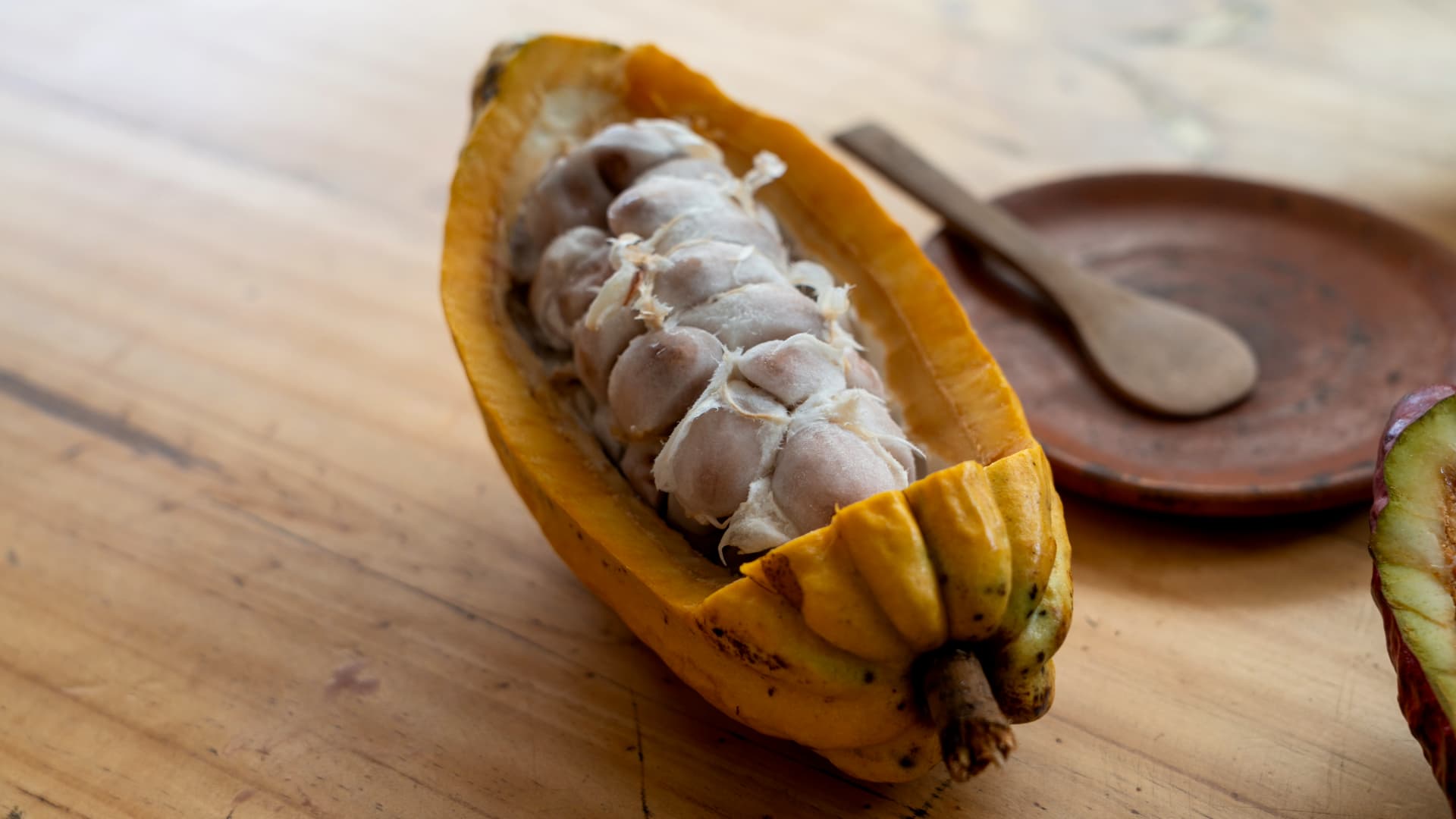
Learn how cacao grows and how the fruit becomes chocolate. The strongest visits connect cultivation, preparation and tasting with the knowledge of the people doing the work.
Culture · Food · Nature
Experience the region through the knowledge, flavors, working landscapes and cloud forest environments that give the Chocó Andino its identity.
This page is organized by what you want to understand or take part in—not by a fixed transportation package. Choose cacao, coffee, local food, community tourism, conservation or forest context first. Then use the Tours hub or a custom request to turn that interest into a workable route.

These categories describe meaningful ways to engage with the Chocó Andino. They are not claims that every host or activity operates every day.

From fruit to flavor
Learn how cacao grows and how the fruit becomes chocolate. The strongest visits connect cultivation, preparation and tasting with the knowledge of the people doing the work.

Farm and process
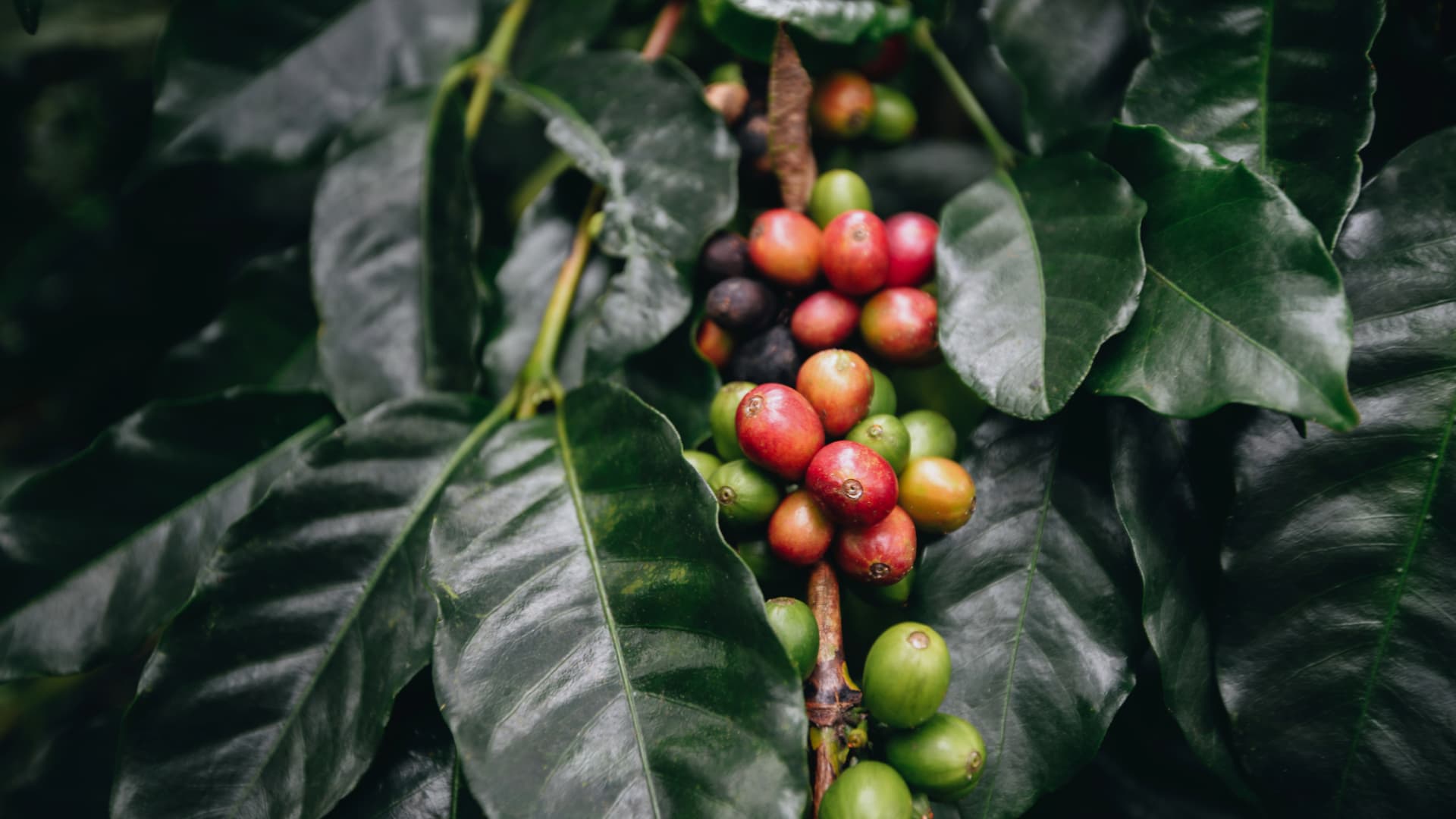
Follow coffee from the plant through harvest and preparation where current farm activity allows. Visits vary with the crop cycle, host schedule and the depth of explanation offered.

People and territory
Visit a community initiative where local hosts decide what to share and how the encounter works. Time for listening and conversation is part of the experience, not unused itinerary space.

Taste and tradition
Use food as an entry point into the region’s climate, crops and daily life. A good visit explains where ingredients come from and avoids reducing culture to a quick tasting stop.

Place and elevation
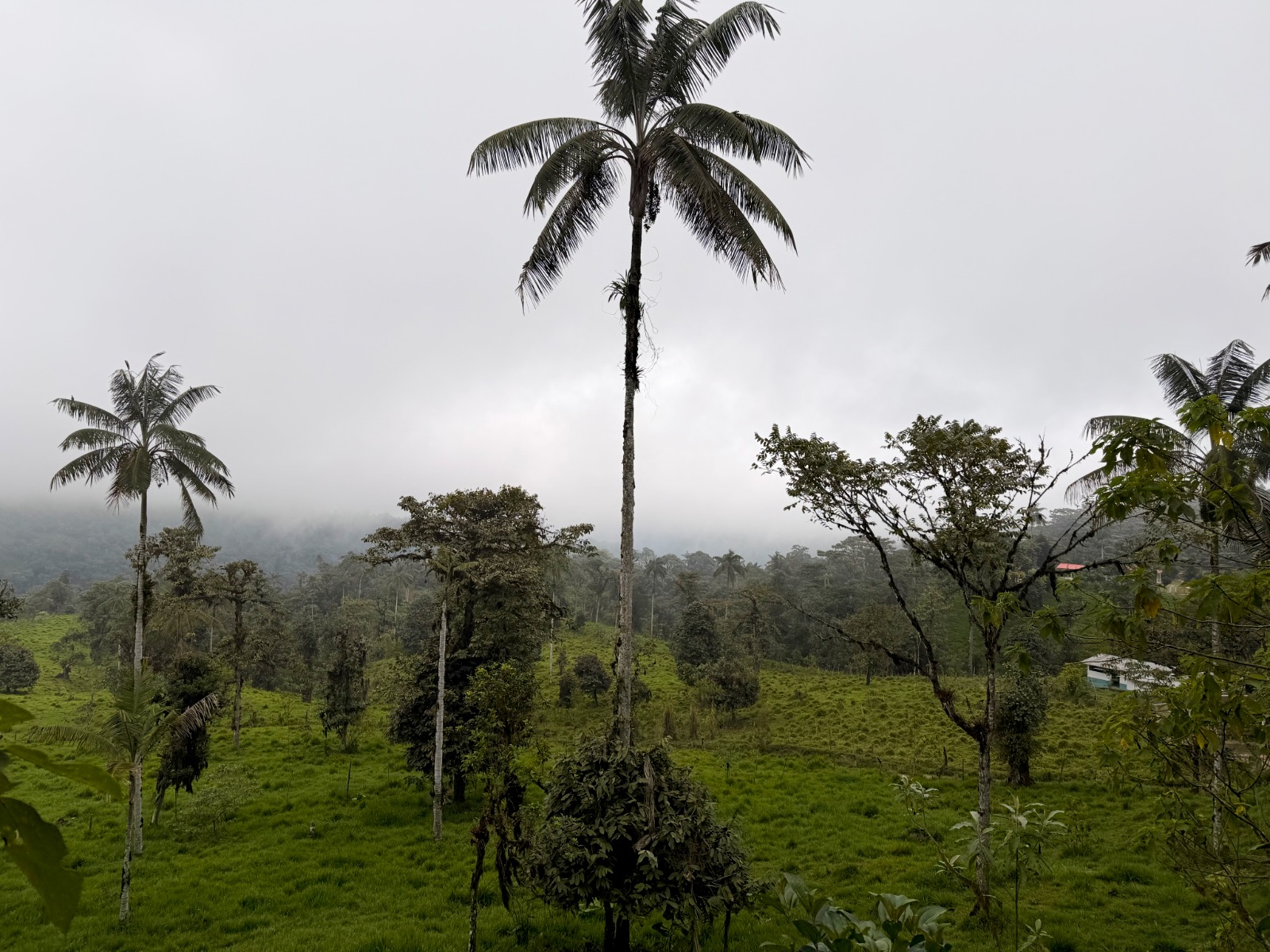
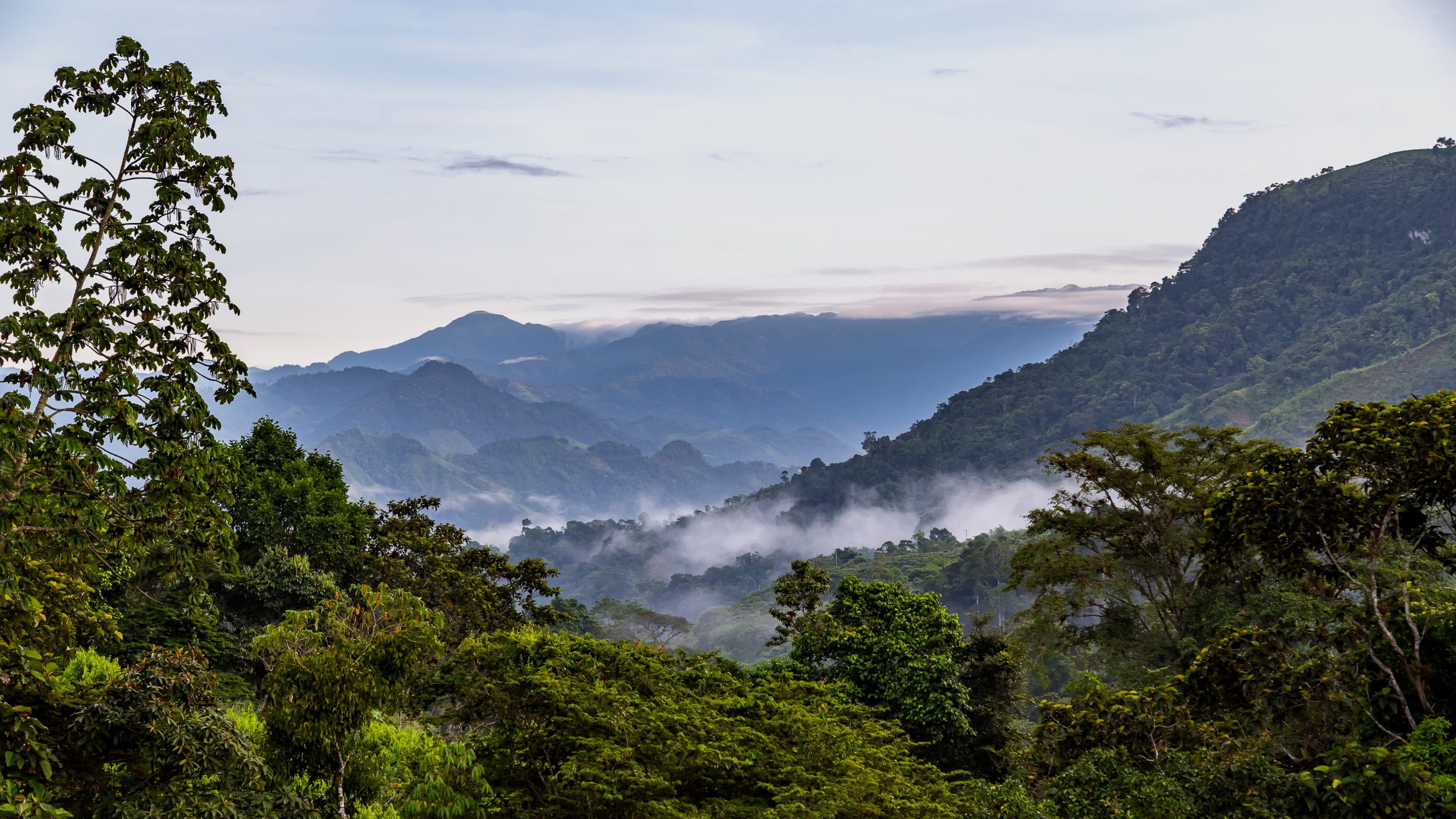
Understand how elevation, moisture and forest cover shape the region. Scenic routes can include viewpoints or accessible walks without turning every nature visit into a strenuous hike.

Observe and understand
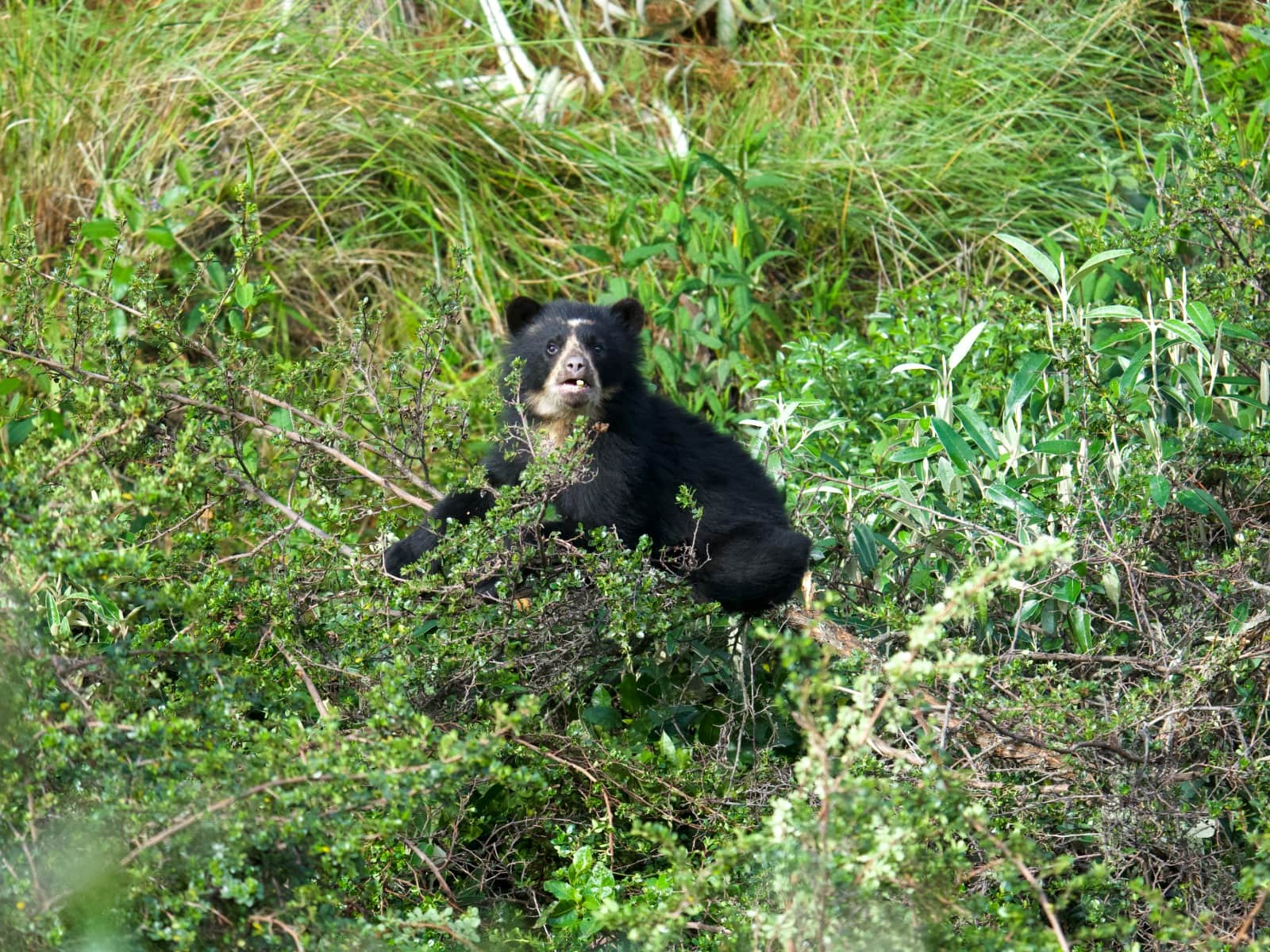
Learn how protected habitat, restoration, farms and local livelihoods intersect. The emphasis is on context and responsible observation, not guaranteed encounters with wildlife.
The subject matters, but so does the way you want to engage with it. Clarifying the desired connection helps us identify the right host and format.
Prioritize explanation, demonstration and time for questions. Ask whether the visit is introductory or detailed and whether interpretation is available in your language.
Ask what is genuinely hands-on and what depends on the season or current work. Participation should support the host’s process rather than interrupt it.
Choose a landscape, conservation or farm context where careful observation is the goal. Confirm walking, weather exposure and any photography limitations.
Clear questions protect both the traveler and the host. They also separate an authentic visit from a vague label on an itinerary.
| Experience | Ask what you will do | Ask who hosts it | Confirm on your date |
|---|---|---|---|
| Cacao or coffee | Farm walk, process, demonstration or tasting | Producer, educator or guide | Crop activity and operating hours |
| Community tourism | Conversation, local project or guided visit | Community member or initiative | Local availability and appropriate group size |
| Food and culture | Preparation, tasting, market or story | Cook, producer, family or local guide | Ingredients, dietary needs and timing |
| Nature or conservation | Viewpoint, walk, interpretation or observation | Naturalist, reserve or local guide | Access, effort, weather and equipment |
Two compatible experiences are usually stronger than several unrelated stops. The goal is a connected story and realistic movement across the region.
Choose the experience you would keep if the day had to be simplified. It receives the best timing and enough space for the host to explain the subject properly.
Pair cacao or coffee with a compatible landscape stop, or combine community context with local food. Avoid crossing the region repeatedly for variety alone.
Allow for weather, road time, questions and a slower local schedule. A day that contains breathing room is more resilient and usually more memorable.
Every visit still needs a confirmed host, location, start time, duration and access plan. Some activities change with harvests, production cycles, weather or community schedules. We describe the theme first and verify the operational version for your date before presenting it as available.
For general adventure activities centered only on Mindo, use the Mindo Tours catalog. For specialist birding and target wildlife, use Mindo Bird Watching. Chocó Andino Tours remains focused on the wider regional relationship between people, production, culture and landscape.
These answers help frame the request. Specific hosts, timing and inclusions are confirmed during planning.
It is a visit or activity that helps you understand the wider region through its people, crops, food, communities, conservation work or cloud forest landscape.
They work well for curious independent travelers, couples, families and small groups who prefer local context over a rapid checklist of attractions.
Focused visits may take part of a day. A mixed day needs enough time for the main host, transport and one compatible second experience without rushing.
Confirm the host, operating schedule, meeting point, language, walking level, participation, dietary needs and exact inclusions for your date.
Often, but the right choice depends on age, attention span, terrain and the host’s format. Share ages before the route is proposed.
Not necessarily. Some visits may be arranged privately or combined into a custom day. The final format depends on the provider and current availability.
Send your interests, dates, group size and preferred pace. We will identify compatible experience types and confirm what is operating.