Working landscapes · Producer-led learning

Coffee Farm Experiences in the Chocó Andino

Follow coffee from a living plant toward the cup through local knowledge, active farm work and careful preparation.

A coffee visit may emphasize cultivation, harvest, post-harvest processing, roasting, brewing or tasting. Farms do not perform every stage for visitors every day. The useful approach is to confirm what is active, who will host, how the property is accessed and how deeply you want to explore the subject.

Coffee cultivationProducer knowledgeProcess and roastTasting when confirmed
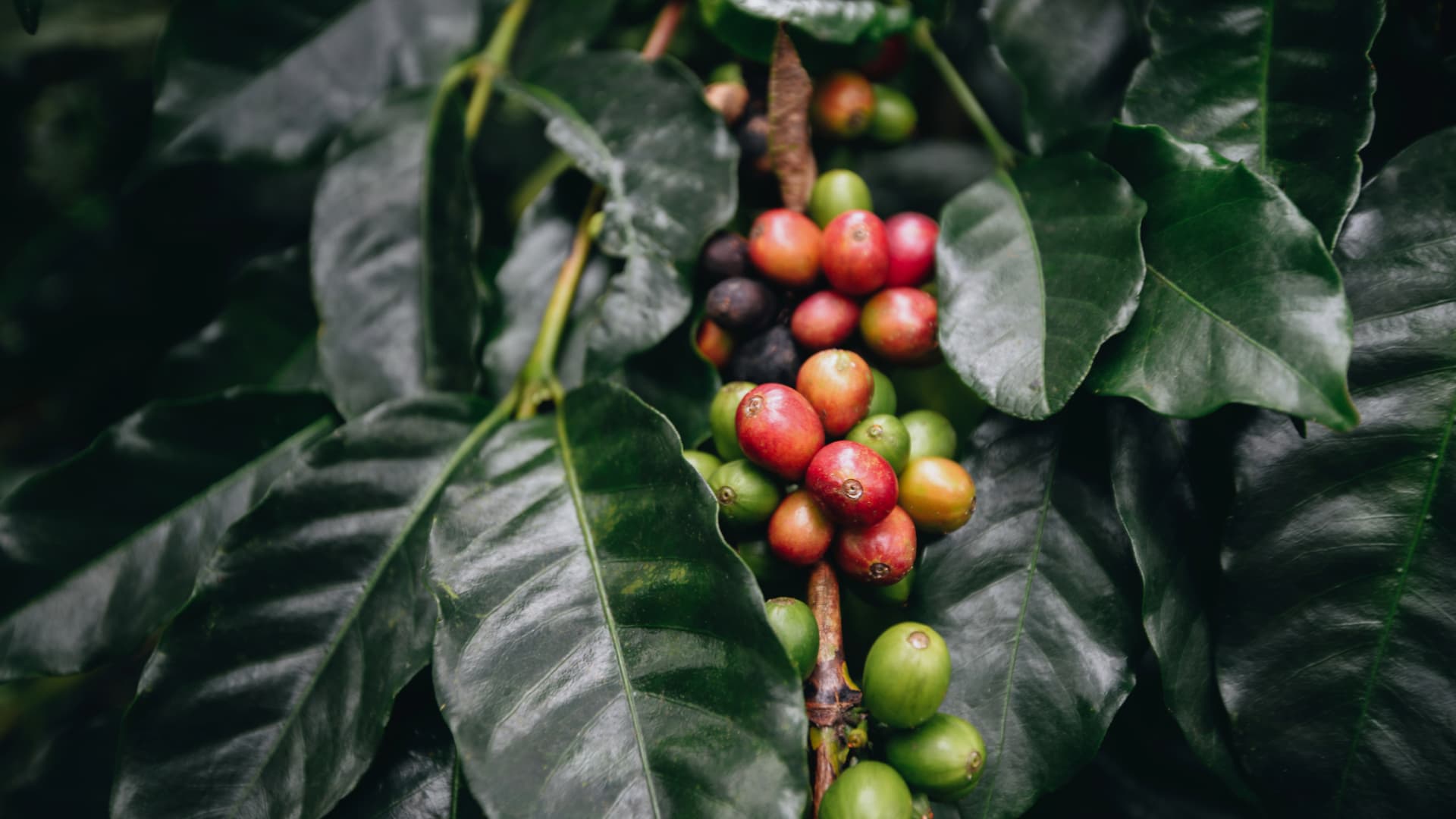
Ripe red coffee cherries growing on a branch
Farm work, harvest and processing follow real agricultural schedules rather than a permanent demonstration.

Three ways to understand regional coffee

Start with the question you most want the producer to answer.

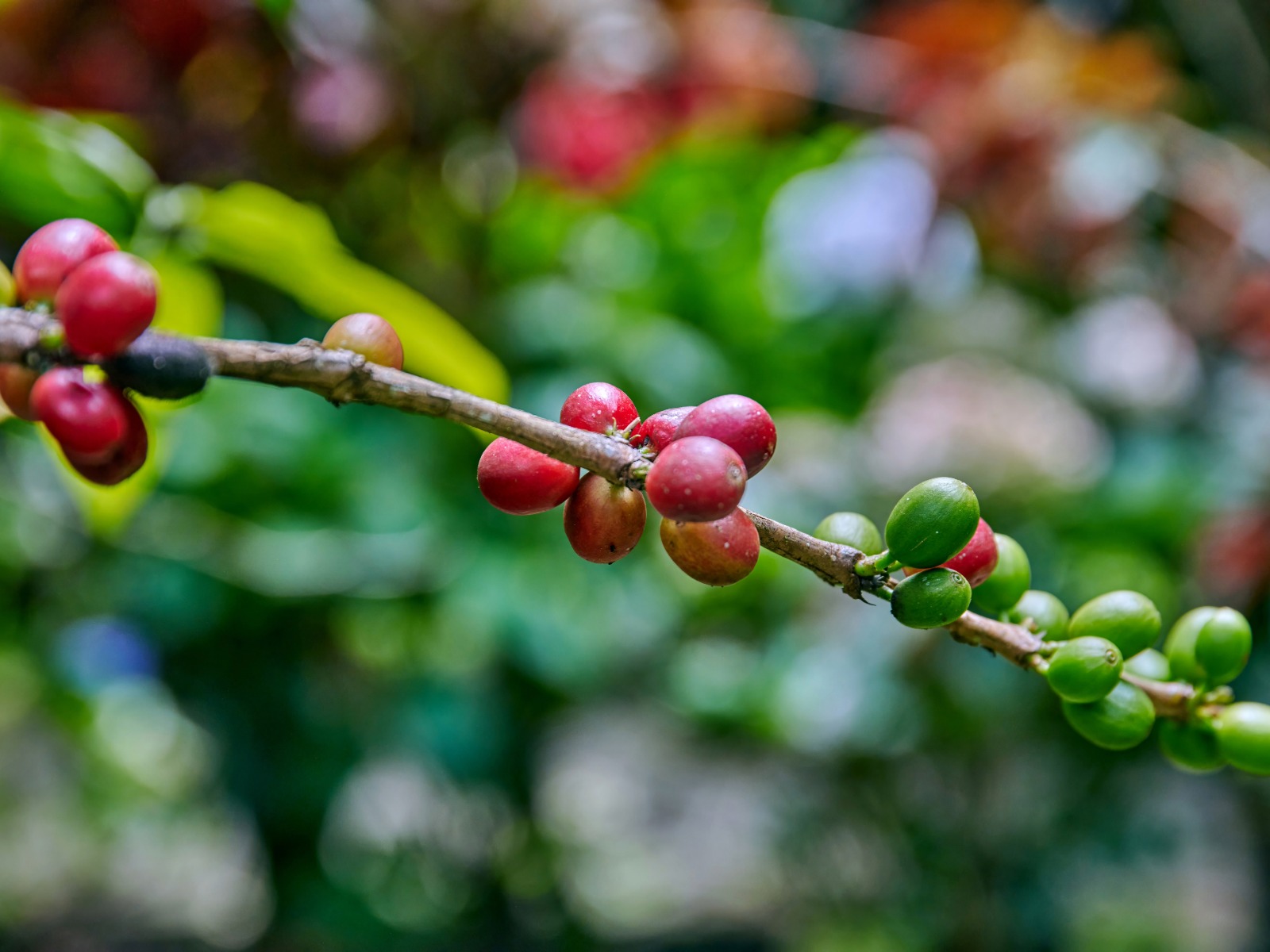
Red coffee cherries at different stages of ripeness

Plant and farm

Cultivation in a working landscape

Learn how coffee plants are cared for and how site, shade, variety and maturity relate to farm decisions. What can be observed changes with season and current work. Ask about terrain, footwear, sun or rain protection and whether the visit stays near the processing area or enters planted slopes.

Seasonal workFarm terrain
Explore producer visits
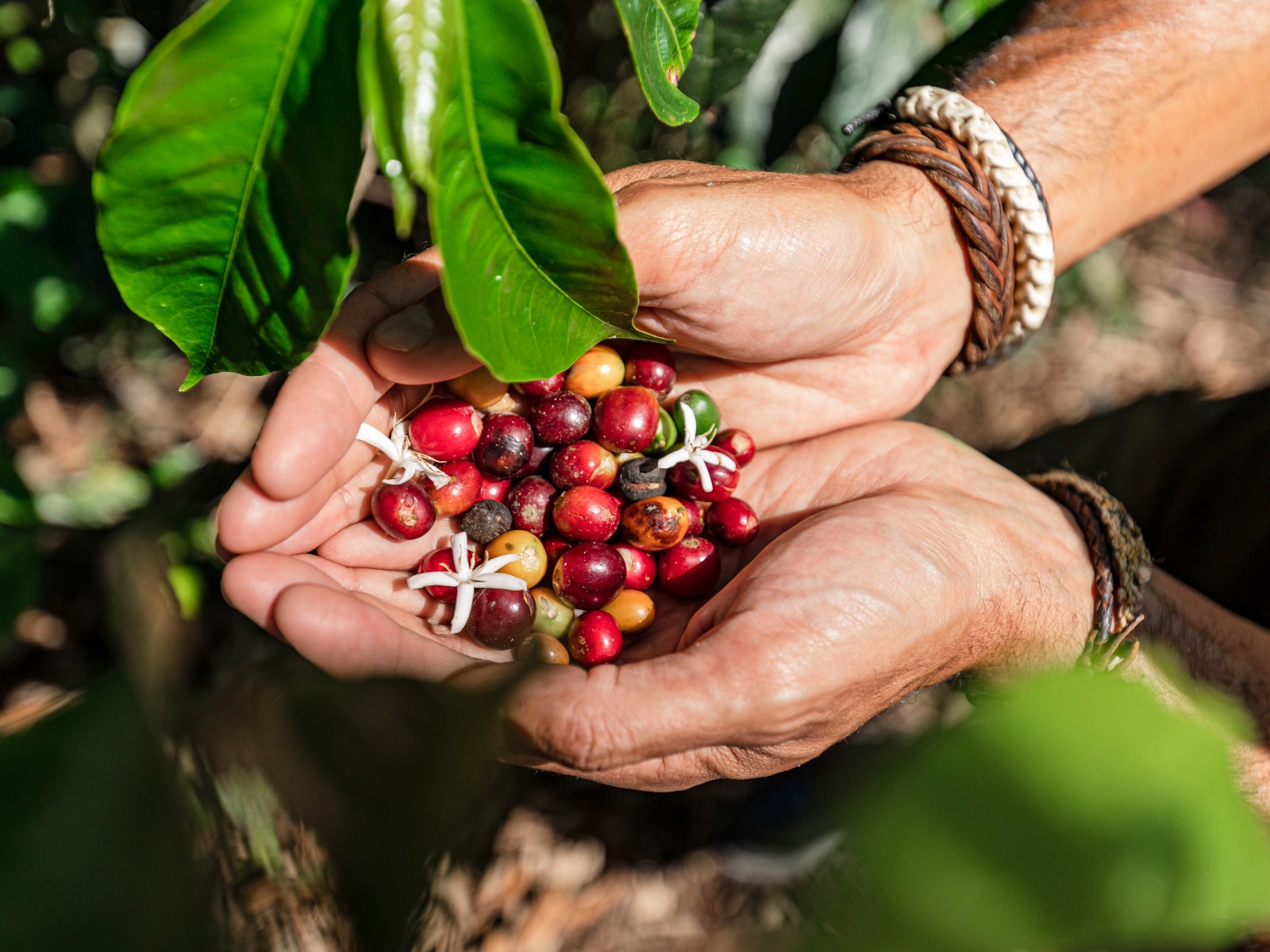
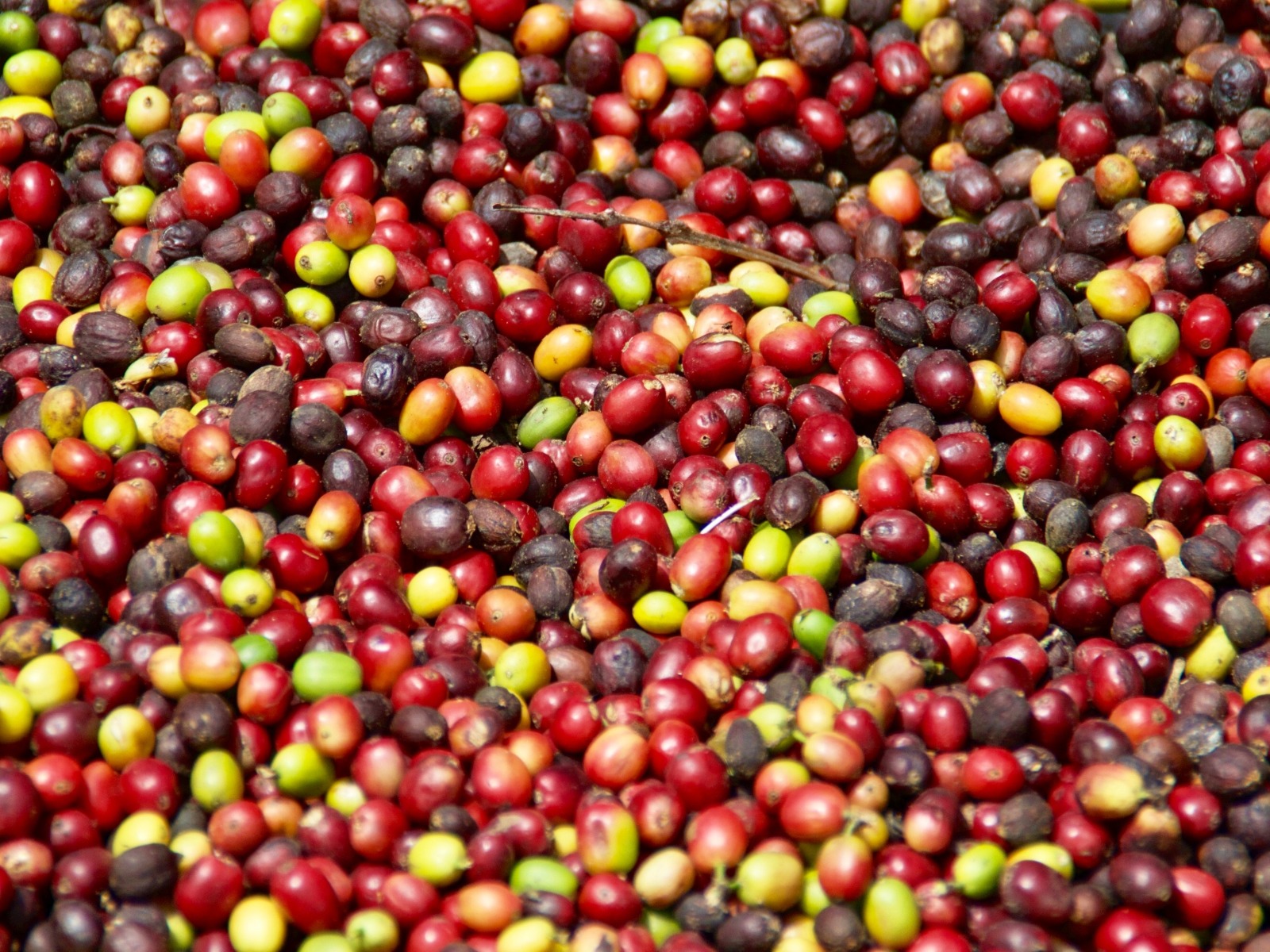
Rural forest setting representing post-harvest coffee work

Cherry to green coffee

Harvest and post-harvest choices

Picking, sorting, pulping, fermentation, washing or drying may form part of the explanation, but active stages depend on the farm and date. A responsible visit describes the real process without manufacturing work for an audience. Confirm whether the experience is observational, technical or hands-on.

Active stagesMethod explained
Connect food and culture
Mountain landscape connected to the wider coffee-producing region

Roast and cup

Preparation and guided tasting

Roasting and brewing reveal choices made after the farm. A tasting can compare aroma, acidity, sweetness, body and finish without asking visitors to accept a single “best” cup. Confirm the coffee, preparation method, number of samples, food pairings, language and level of technical explanation.

Brewing contextFlavor comparison
Compare regional experiences

From coffee cherry to cup

The complete sequence is useful context even when only some stages are active during the visit.

1. Cultivation and selection

Coffee begins with plant care and the selection of mature fruit. Harvest timing is agricultural work, not a visitor guarantee, and should be described honestly for the requested date.

2. Processing and drying

Producers make choices after harvest that influence stability and flavor. Equipment and methods differ, and the host's real practice should guide the explanation.

3. Roasting and brewing

Roast and preparation turn green coffee into the final cup. A demonstration may occur at the farm or another appropriate location, depending on the route and equipment.

Compare coffee experience formats

Choose the level of access and detail that fits your day.

FormatBest forConfirm before choosing
Guided tasting or brewingTravelers wanting a concise flavor-focused introduction with limited walkingCoffees, methods, sample size, food, dietary needs, language and duration
Farm walkVisitors interested in plants, cultivation, landscape and producer decisionsAccess, terrain, weather, active work, footwear, host and transport
Process or roasting sessionPeople seeking greater technical depth about transformation and preparationActive equipment, demonstration stages, participation, safety and group size
Regional combinationGuests pairing coffee with food, community context or nearby sceneryGeographic compatibility, appointments, meals and realistic return time

Visit a farm as a workplace, not a stage set

A producer visit takes place around real agricultural work. Follow the host's guidance, ask before photographing people or private work areas, stay on approved paths and do not handle plants, fruit or equipment without permission. Rain, road conditions and production priorities can change the visit.

Direct purchases may be available and can support the producer, but products, packaging, payment methods and stock vary. Nothing should be represented as included or required until it appears in the confirmation.

Who this experience suits

Coffee visits can be introductory, social or highly technical.

Curious coffee drinkers

A guided farm introduction or tasting can connect the familiar cup to the plant and producer. No specialist vocabulary is required when interpretation is clear.

Families and small groups

Confirm walking, supervision, hot equipment, caffeine, food and age suitability. A short interactive format may work better than a long technical session.

Coffee and agriculture enthusiasts

Share whether your interest is cultivation, processing, roasting, sensory analysis or business. Deeper access may require a specific producer and advance coordination.

Regional farm visit or a Mindo coffee stop?

Use the page that matches the real purpose of the day.

Choose the regional experience when

You want agricultural, producer and landscape context across the wider Chocó Andino and can organize the route around current farm availability.

Choose the Mindo activity when

You want a defined coffee stop centered in Mindo or need to combine it efficiently with other Mindo activities during the same day.

Avoid duplicate introductions

Two general coffee visits may cover similar material. Ask whether a second stop offers genuinely different production, technical depth or local context.

Coffee farm questions

Use these answers before requesting date-specific confirmation.

What is a Chocó Andino coffee farm experience?

It is a producer visit that may explain cultivation, harvest, processing, roasting or tasting according to the farm, season and active work. Not every visit includes every stage.

Who is it best for?

It suits curious travelers, coffee enthusiasts, couples, families and small groups interested in agriculture, flavor and local knowledge. The format should match the group's mobility and desired depth.

How long should I allow?

Duration depends on whether the experience is a tasting, farm walk, process demonstration, roasting session or regional combination. Road access and transport can add substantial time.

What must be confirmed?

Confirm the producer, location, access, active coffee stages, terrain, language, tasting, food, caffeine or dietary needs, transport, inclusions, price and cancellation terms.

Plan a coffee visit with producer context

Share your date, group, starting point and whether your priority is the farm, processing, roasting, brewing or a balanced introduction.