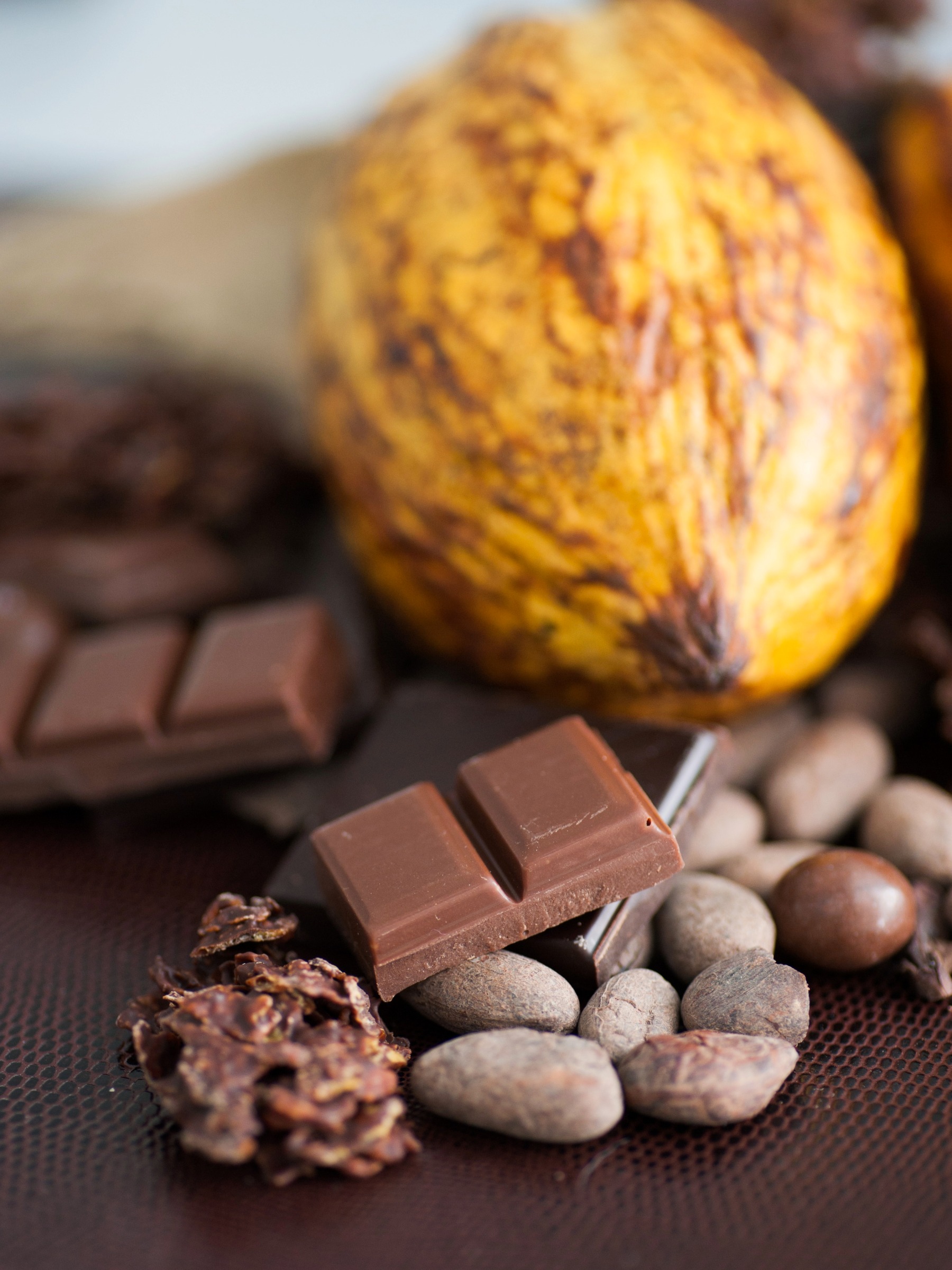
Regional food culture · Producer-centered visits

Cacao and Chocolate Experiences in the Chocó Andino

Explore how cacao becomes chocolate through the people, working landscapes and processes behind the flavor.

A cacao experience may focus on a farm, post-harvest work, artisanal preparation, tasting or a combination. What can be seen depends on the producer, season, active process and location. We confirm the actual format before treating any stage, workshop, meal or tasting as included.

Cacao originsProducer knowledgeArtisanal processTasting when confirmed
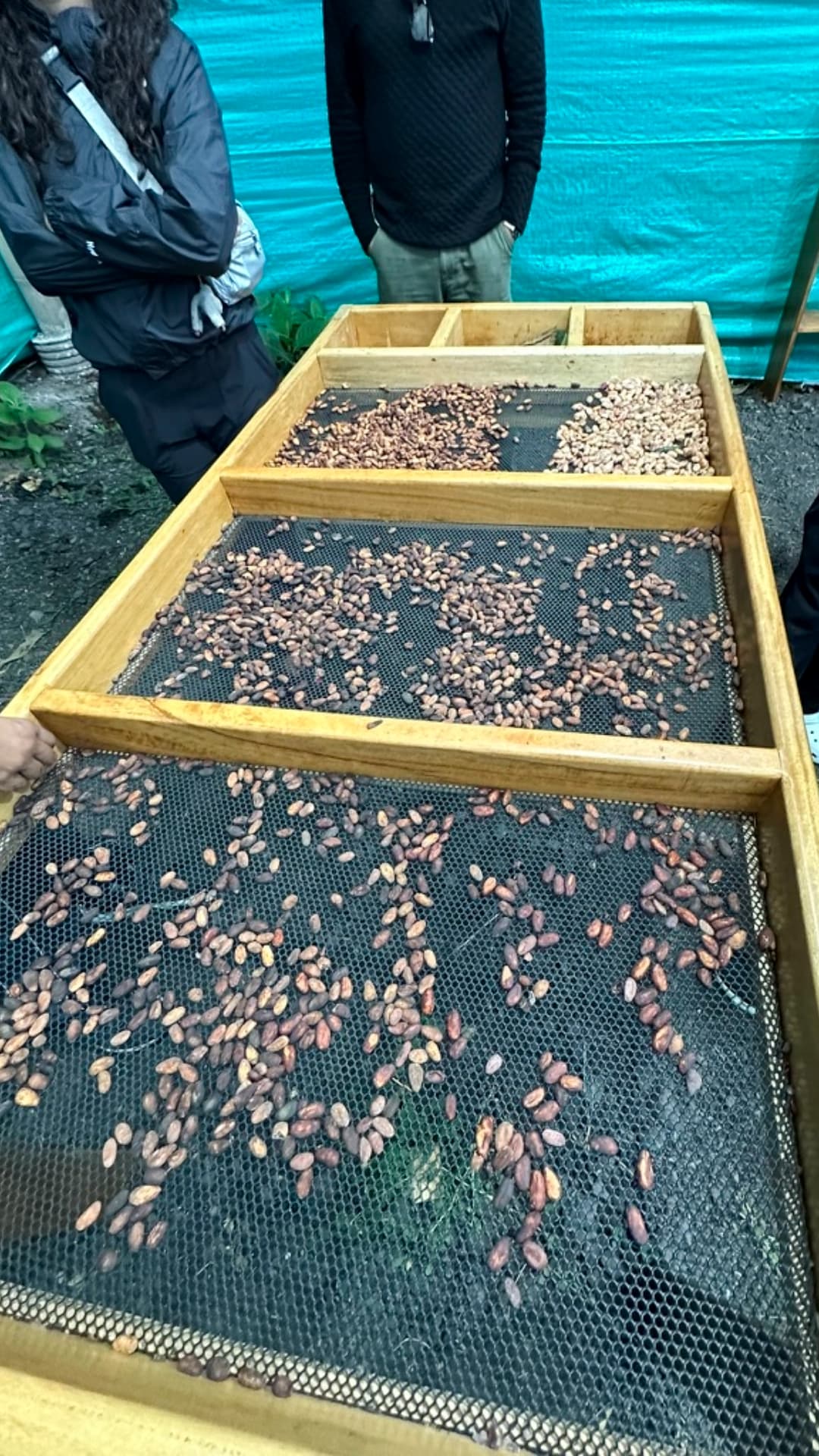
Cacao beans drying during an artisanal production process
The most useful visit follows the process that is genuinely active for the producer and date.

Three ways to approach cacao

Not every visit includes every stage. Start with the part of the story that interests you most.

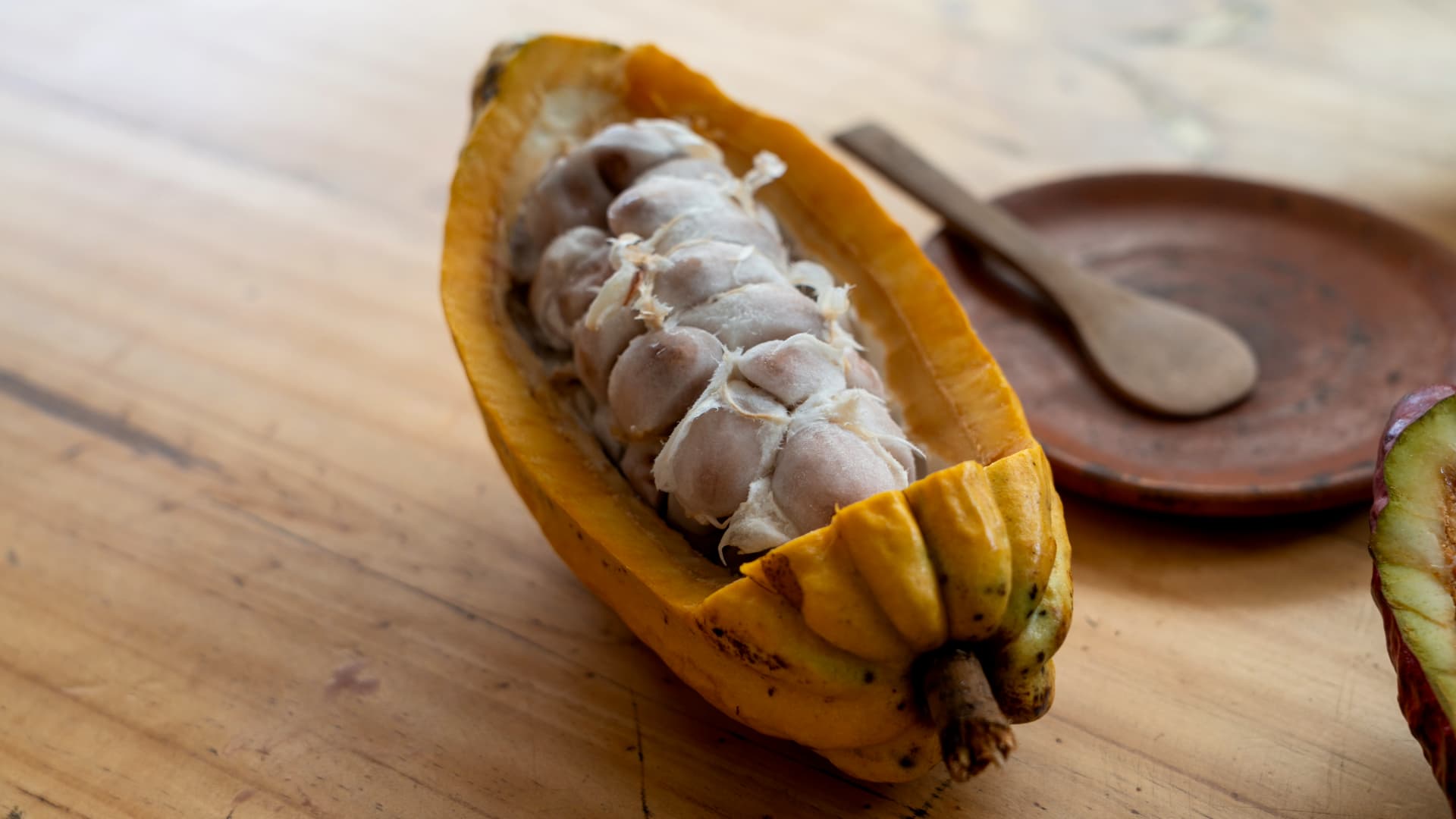
Open cacao pod showing beans surrounded by white pulp

Plant and place

Farm and cultivation context

Learn how cacao grows within a working landscape and how local conditions shape production. Depending on access and season, a visit may discuss the plant, shade, harvest or agroforestry. Confirm the terrain, footwear, weather protection and which agricultural activities can actually be observed.

Season mattersFarm access
Explore producer visits
Cacao beans arranged during processing

Bean to chocolate

Post-harvest and artisanal process

Fermentation, drying, roasting, grinding and preparation each influence the result, but a single visit may demonstrate only some steps. A thoughtful experience explains what is happening rather than staging a complete process. Ask whether the visit is observational, hands-on or primarily interpretive.

Active stagesHands-on if confirmed
Connect food and culture
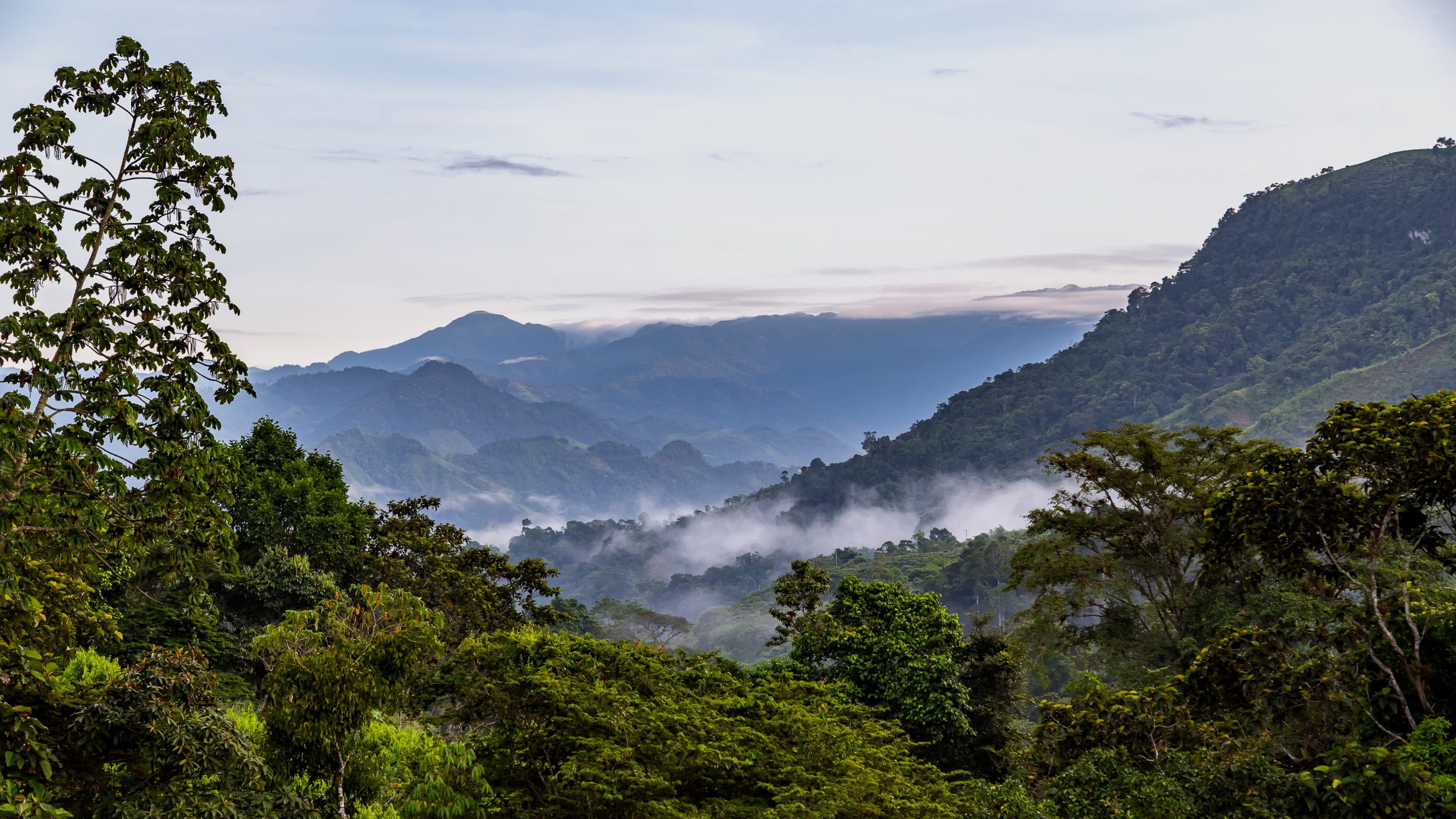
Cloud forest landscape surrounding productive areas of the Chocó Andino

Flavor and comparison

Guided tasting with context

A tasting can compare aroma, texture, sweetness, bitterness, roast and ingredients while connecting the final product to its origin. It does not need to claim a universal “best” chocolate. Confirm the number and type of samples, dietary considerations, language and whether the tasting is part of a longer visit.

Flavor vocabularyDietary details
Compare regional experiences

From pod to finished chocolate

The sequence provides useful context even when only some stages are visible that day.

1. Cultivation and harvest

Cacao begins as an agricultural crop shaped by variety, site, care and maturity. Harvest activity is seasonal and should never be assumed solely for a visitor demonstration.

2. Fermentation and drying

Post-harvest decisions help develop the characteristics later expressed in chocolate. The producer may explain these stages even when no active batch is available to observe.

3. Roasting and preparation

Roasting, grinding and formulation turn processed beans into cacao products or chocolate. Equipment and methods differ, so the host's actual practice should guide the explanation.

Compare experience formats

Choose the format that matches your curiosity, time and mobility.

FormatBest forConfirm before choosing
Short tasting or demonstrationTravelers seeking a focused introduction with limited time or walkingSamples, dietary needs, language, duration and exact location
Artisanal workshopVisitors interested in technique, participation and the transformation processHands-on steps, equipment, age suitability, group size and take-home items
Farm or producer visitTravelers who want agriculture, livelihoods and landscape contextRoad and farm access, terrain, active stages, host schedule, transport and weather
Regional combinationGuests pairing cacao with food, community context or a nearby nature stopGeographic compatibility, meals, appointment times and realistic return

Keep the producer at the center of the experience

Cacao is not simply a prop for a tasting. A respectful visit recognizes agricultural work, post-harvest knowledge, processing decisions and the time required to host visitors. Ask before photographing people or private workspaces, follow hygiene and safety instructions and do not interfere with active production.

Buying directly may support a producer when products are available, but purchases should never be represented as mandatory or included unless confirmed. Availability, packaging and payment methods can change.

Who this experience suits

Cacao can work for different travelers when the format is chosen honestly.

Curious first-time visitors

A tasting or concise demonstration can explain the essential steps without requiring a technical background. Ask for plain-language interpretation and enough time for questions.

Families and small groups

Confirm age suitability, supervision, allergens, heat, equipment and walking. A hands-on activity should match the group's attention and safety needs.

Food and agriculture enthusiasts

Request deeper discussion of farming, fermentation, drying, roasting or formulation. Specialist depth may require a particular producer or interpreter and advance coordination.

Regional cacao or a Mindo chocolate stop?

The right page depends on the purpose of the visit.

Choose the regional experience when

You want producer, landscape, agricultural or community context across the wider Chocó Andino and are open to route planning around local availability.

Choose the Mindo activity when

You want a defined chocolate stop centered in Mindo, especially when it is being combined with other Mindo activities in the same day.

Ask before combining

Two chocolate visits may repeat the same introductory material. We can help distinguish a deeper regional producer objective from a convenient Mindo-based activity.

Cacao experience questions

Confirm the operational details for your requested date.

What is a Chocó Andino cacao experience?

It is a visit that may connect cultivation, post-harvest work, artisanal chocolate or tasting according to the producer and active process. It is not a guarantee that every stage will be demonstrated.

Who is it best for?

It suits curious travelers, couples, families, small groups and people interested in food, agriculture and local knowledge. Choose a format that matches the group's mobility, age and desired depth.

How long should I allow?

Duration depends on whether the experience is a tasting, workshop, farm walk, process demonstration or regional combination. Transport and road access can add meaningful time beyond the hosted visit.

What must be confirmed?

Confirm the producer, location, active cacao stages, access, walking, language, participation, tasting or food, dietary needs, transport, inclusions, price and cancellation terms.

Plan a cacao experience with real context

Share your date, group, starting point and whether you prefer farming, process, tasting or a balanced introduction. We will check the most appropriate available format.