UNESCO MAB recognition · Pichincha, Ecuador

Chocó Andino Biosphere Reserve

Understand the Chocó Andino de Pichincha as a living regional landscape shaped by forests, elevation, water, productive activity, communities and conservation.

UNESCO’s Man and the Biosphere Programme lists the reserve northwest of Quito in Pichincha Province. Recognition provides a framework for understanding the relationship between people and the environment; it does not turn the entire territory into one park, attraction or universally accessible visitor site.

Nominated 2018286,805 hectares360–4,480 mIndependent visitor guide
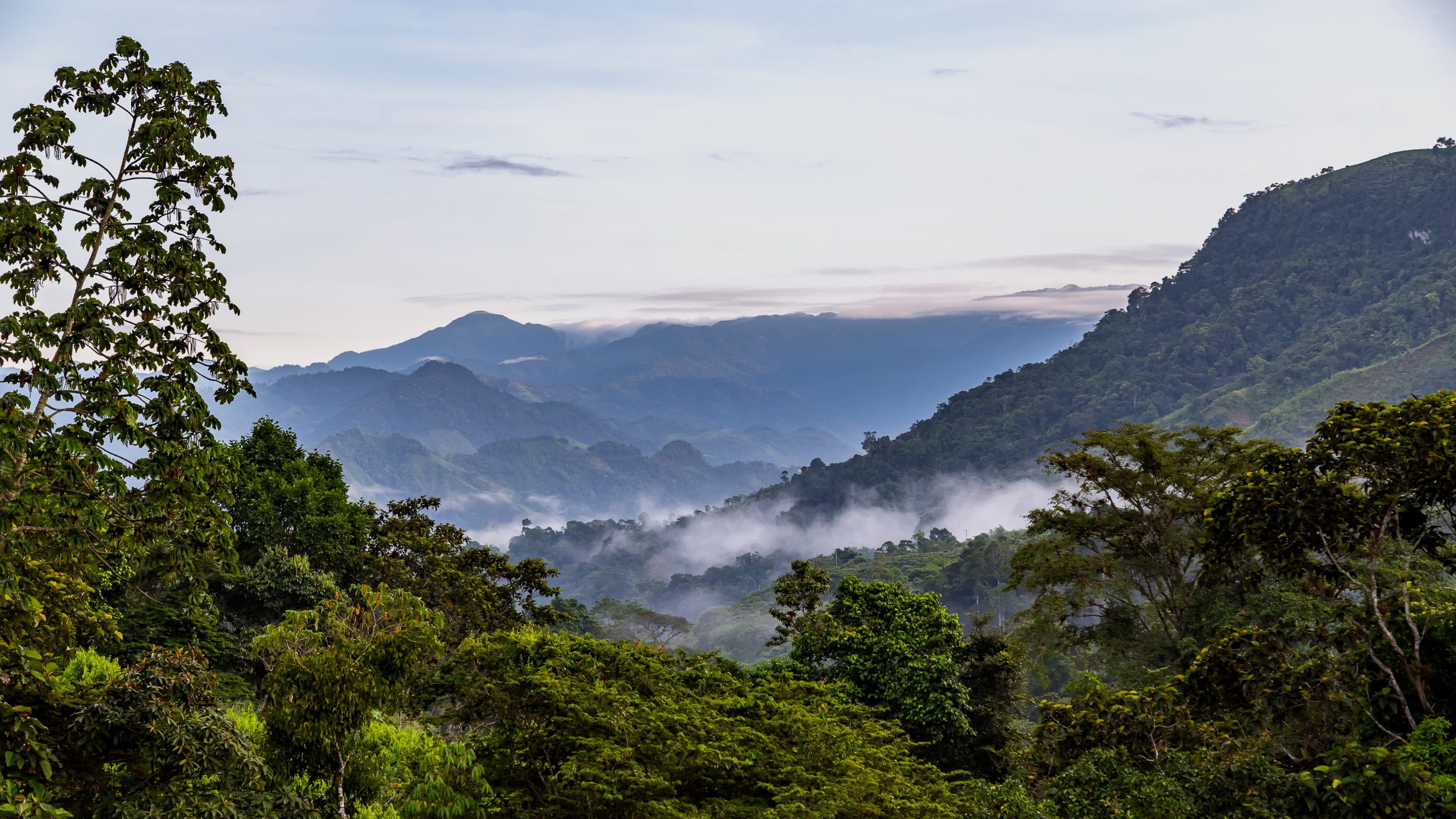
Layered forested mountains in the Chocó Andino de Pichincha
Large elevation changes help explain the region’s variety of forests, climates and travel conditions.

What the recognition means

Biosphere reserves are places for conservation, learning and sustainable development across real landscapes where people live and work.

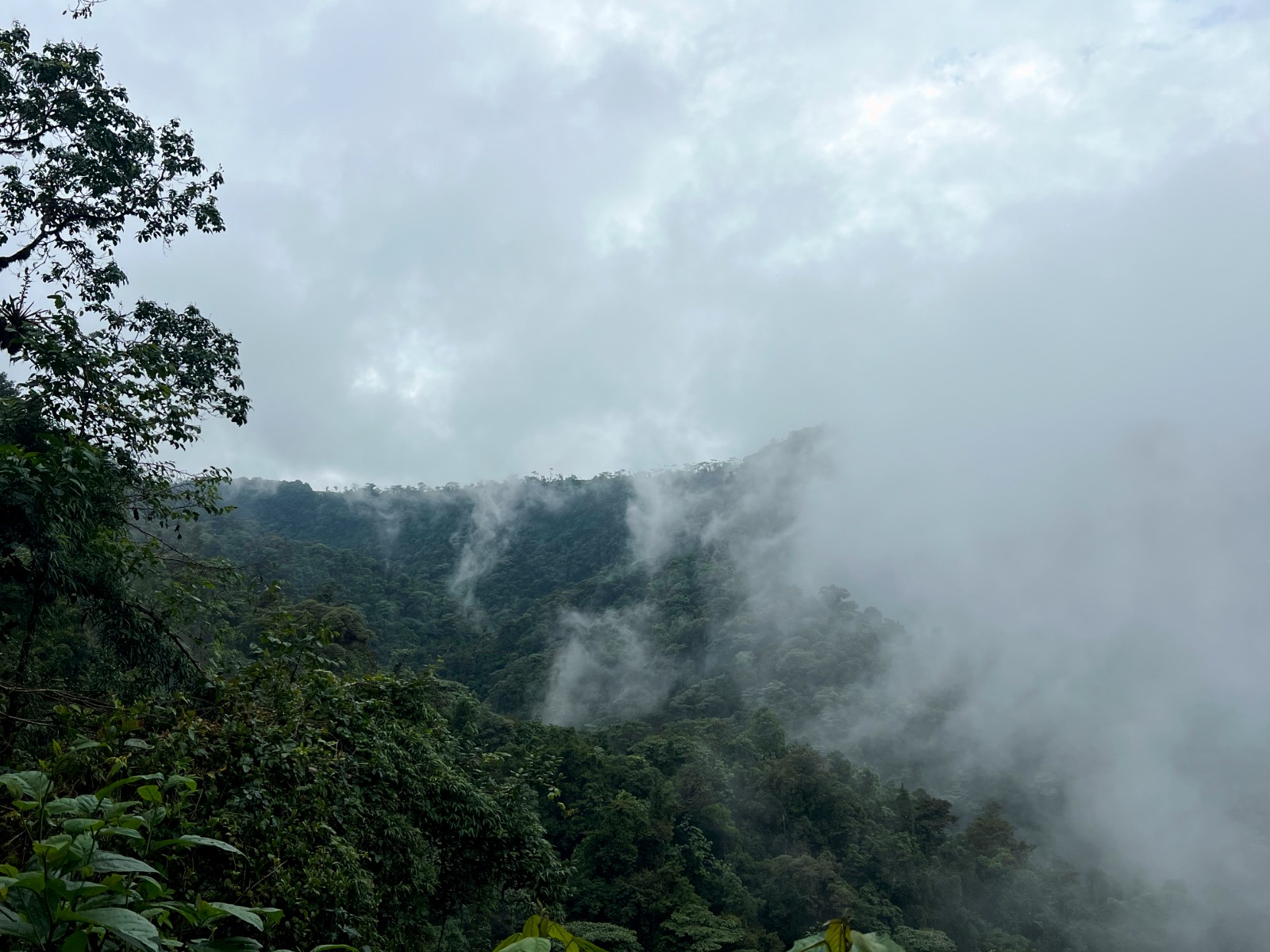
Cloud forest landscape in the Chocó Andino

Ecological context

Two major forest regions meet

UNESCO describes the reserve as spanning the humid lowland forests of the Chocó–Darién and the Northern Andean Mountain Forests. Changes in elevation, moisture and terrain create connected but distinct environments across the wider territory.

Chocó–DariénNorthern Andes
Plan the wider route
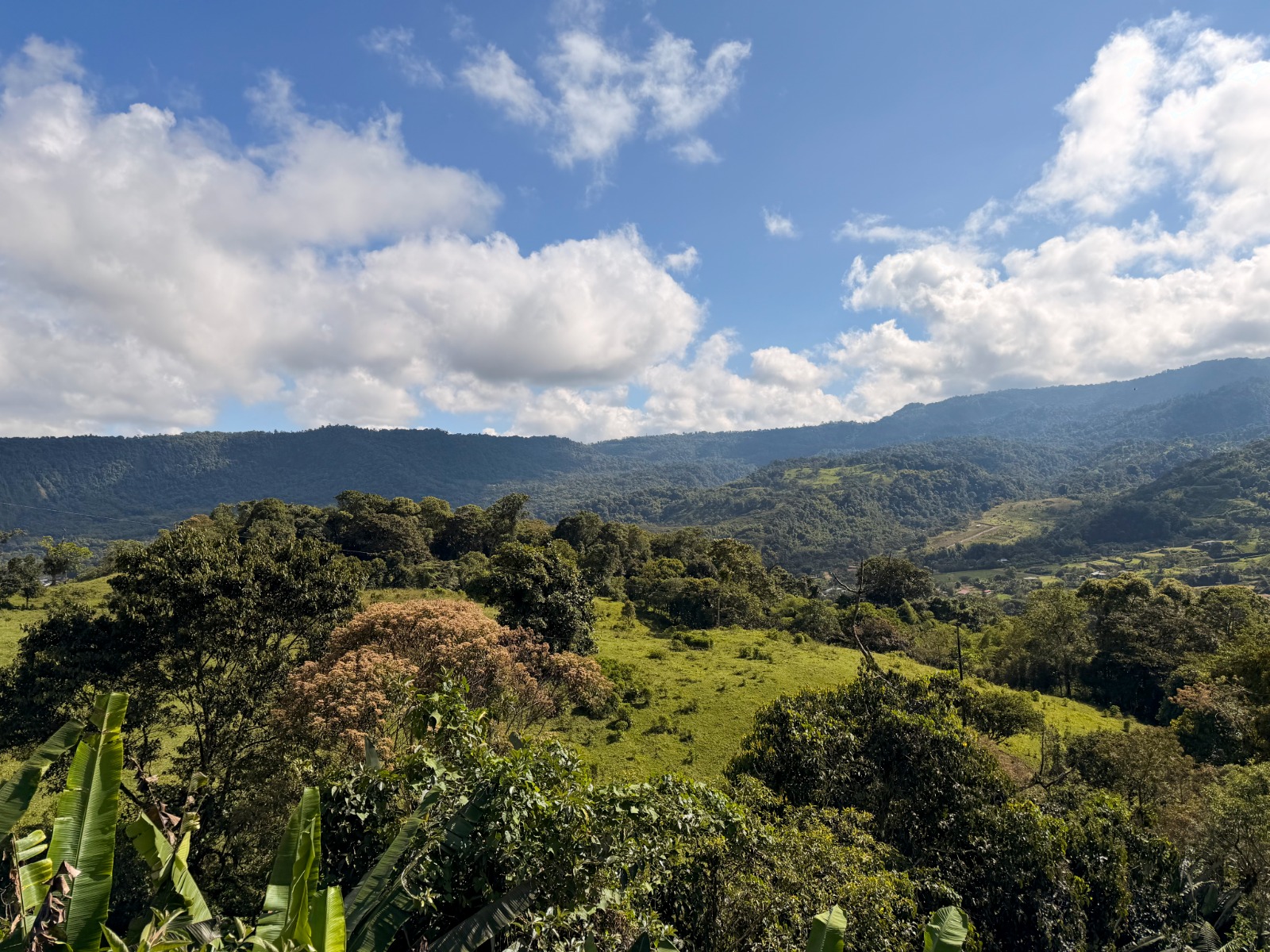
Cacao pod representing productive landscapes in the region

People and production

A lived-in biosphere reserve

Recognition includes the relationship between biodiversity, settlements and economic activity. Agriculture, food production, local services and community life are part of the regional context. A responsible visit should respect work schedules and local priorities rather than treating every place as a tourism stage.

Working landscapesCommunity context
Explore local themes
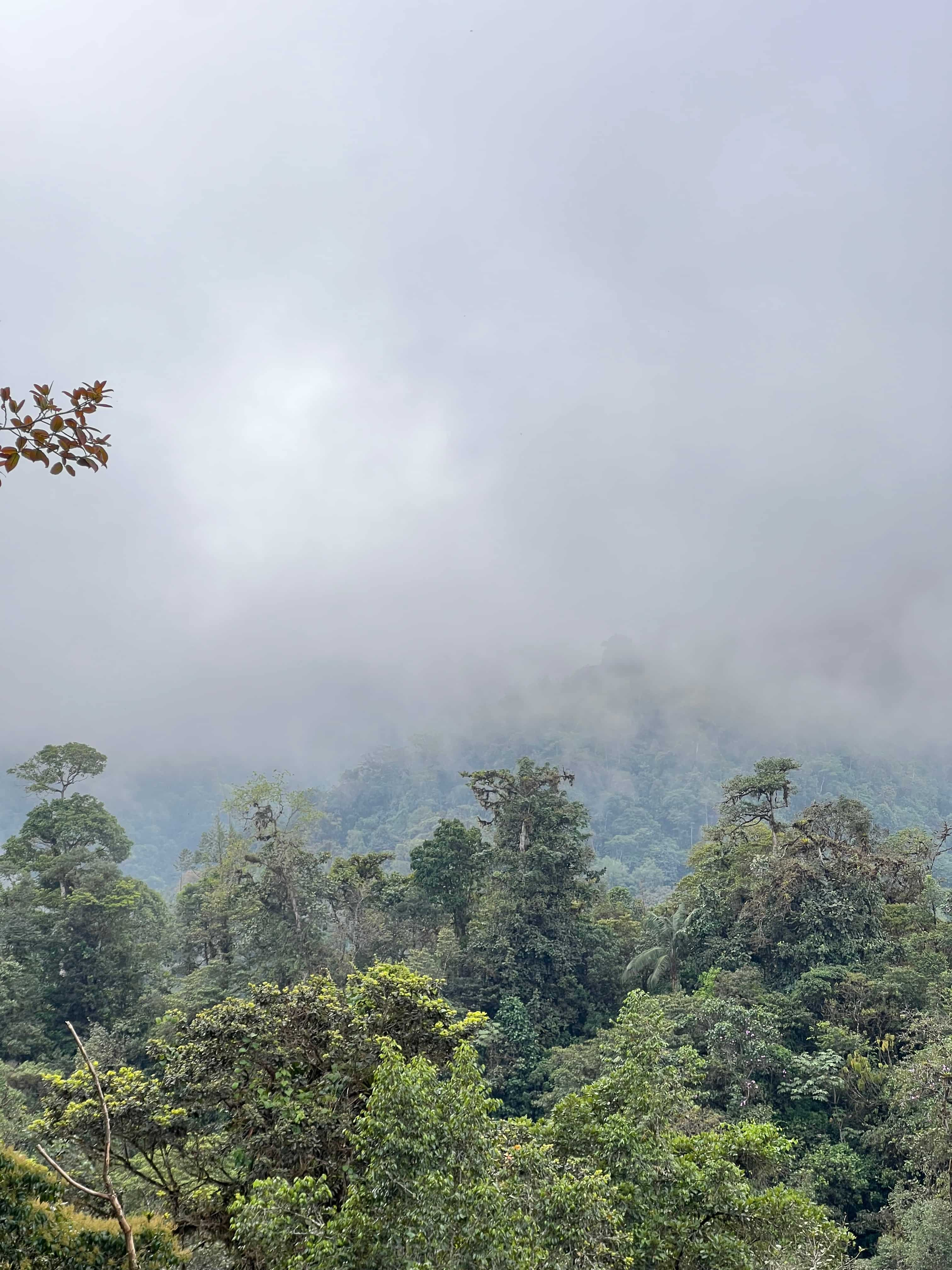
Clouds moving through a forested landscape

Visitor responsibility

Recognition is not blanket access

Public roads, private properties, protected areas, farms and communities can have different rules. Confirm access, permission, operating hours and guide requirements for each destination. Never assume that a biosphere designation opens every trail or viewpoint.

Confirm accessFollow local guidance
Review responsible travel

Key facts from UNESCO

These figures describe the designated reserve at regional scale and should not be interpreted as visitor access information.

Official data pointUNESCO listingVisitor meaning
Year of nomination2018The reserve joined UNESCO’s biosphere network; this is not a tour-company affiliation
Surface area286,805 hectaresThe territory is far too large to experience as one attraction or in one rushed day
Elevation360–4,480 metersClimate, habitat, road conditions and physical effort can vary considerably
LocationPichincha Province, northwest of QuitoRoute planning must identify a specific community, site or experience rather than only “the reserve”

View the official UNESCO MAB profile

How to interpret the landscape as a visitor

Use the designation to understand relationships, not to collect a badge or expect unrestricted entry.

Elevation connects different environments

A route can move between warmer low areas, humid foothills and cooler mountain forest. Clothing, walking conditions and weather expectations should match the actual elevation of the visit.

Communities are not exhibits

Local knowledge, production and hospitality deserve time and consent. Ask what visitors will do, who receives them and whether photography is appropriate before arriving.

Biodiversity is not a guarantee

High regional diversity does not guarantee a particular animal, bird or plant on demand. Specialist objectives require suitable habitat, timing, field preparation and qualified guidance.

Biosphere reserve is not the same as World Heritage Site

The Chocó Andino de Pichincha is recognized through UNESCO’s Man and the Biosphere Programme. That designation should not be described as a UNESCO World Heritage inscription. Chocó Andino Tours is an independent travel-planning brand and does not claim endorsement, partnership or organizational affiliation with UNESCO.

Choose a responsible way to explore

The strongest visit is usually focused enough to respect both the place and the traveler’s time.

Learn through a productive landscape

A cacao, coffee or food-focused visit can explain the relationship between land, knowledge and livelihoods when the host, activity and timing are confirmed.

Read the forest through a guided walk

A general forest visit can build ecological context. Specialist birding or wildlife goals should be coordinated with the appropriate naturalist team and never sold as guaranteed sightings.

Connect places through a regional route

A private route can combine compatible themes when travel time and access work. Start with one anchor experience and use the travel guide to test the rest of the day.

Before you visit

Confirm the practical version of the experience for your actual date.

Access and permission

Confirm whether the site is public, private, community-managed or requires a guide, reservation or specific meeting point.

Conditions and equipment

Ask about weather, terrain, walking distance, footwear, rain protection and whether equipment is provided or must be brought.

Conduct and expectations

Follow host instructions, ask before photographing people, carry out waste, keep noise low and avoid requests that disturb wildlife or local work.

Biosphere reserve questions

These distinctions help prevent common planning mistakes.

Is the Chocó Andino a UNESCO World Heritage Site?

It is recognized through UNESCO’s Man and the Biosphere Programme as the Chocó Andino de Pichincha Biosphere Reserve. A biosphere reserve is a different designation from a World Heritage Site.

Is the entire reserve open to visitors?

No. The designation covers a large lived-in territory with different land uses, owners, communities and access rules. Confirm every destination separately.

Can wildlife sightings be guaranteed?

No. Wild animals move freely, and sightings depend on habitat, season, weather, time and luck. Use qualified guidance for specialist goals and keep expectations conditional.

How should I plan a responsible visit?

Choose a focused route, confirm access and local availability, follow host guidance, ask before photographing people and avoid guaranteed wildlife expectations.

Explore the region with clear expectations

Choose one primary interest, review the travel guide and confirm access before finalizing the day.