Northwest of Quito · Practical regional planning

Chocó Andino Travel Guide

Plan when to go, how to move, where to base yourself and how to combine culture, working landscapes and cloud forest without turning the day into a rushed list.

The Chocó Andino covers more than one town or attraction. Routes cross changing elevations, road conditions and community schedules. A useful plan starts with one priority, then adds only the stops that are compatible with the same geography and available time.

From QuitoRegional basesTransport planningNo fixed promises
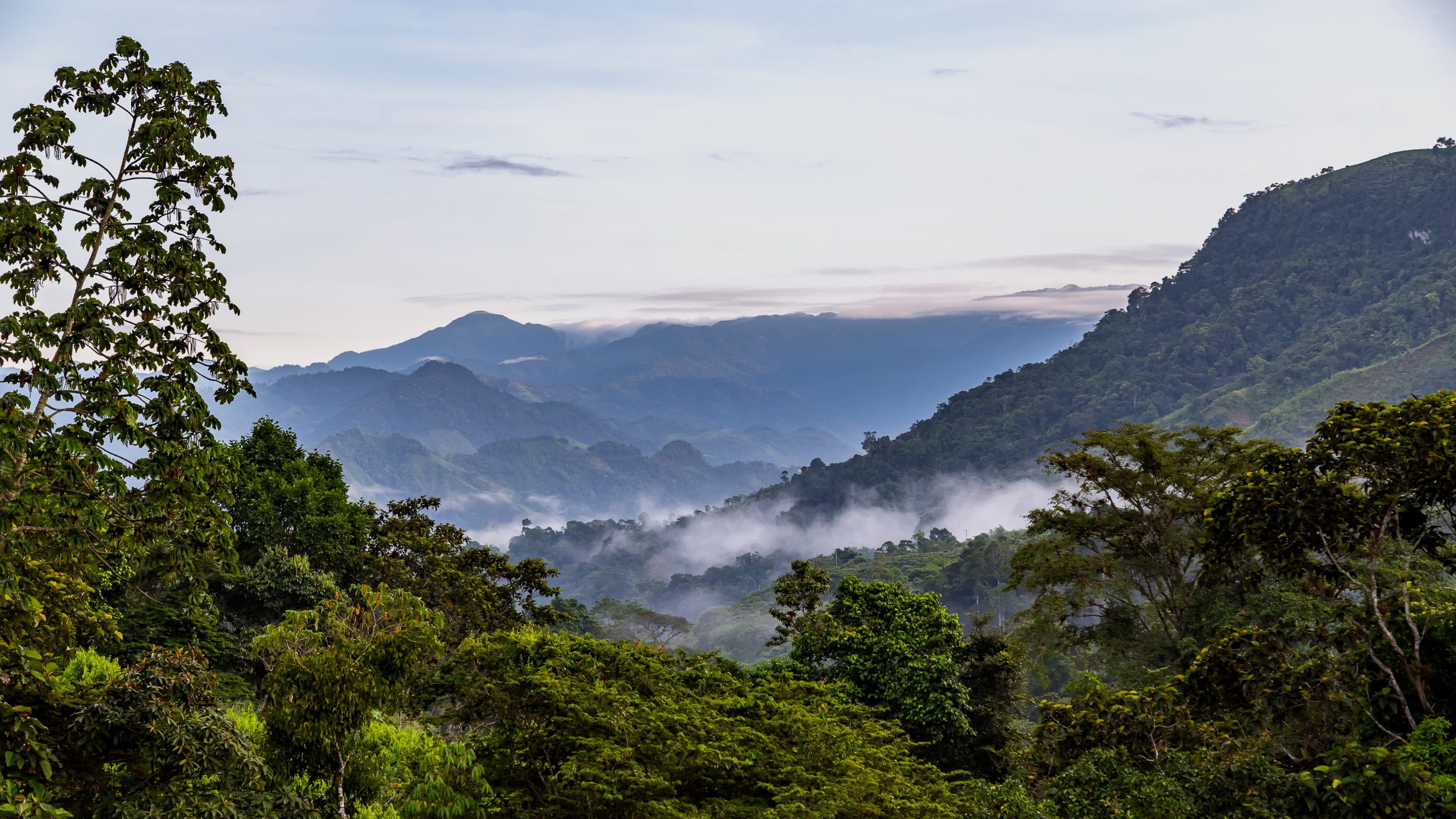
Forested mountains and cloud layers in Ecuador's Chocó Andino
Distance, elevation and weather can make nearby points feel very different on the road.

Start with four practical decisions

These choices shape the route more than a long attraction list.

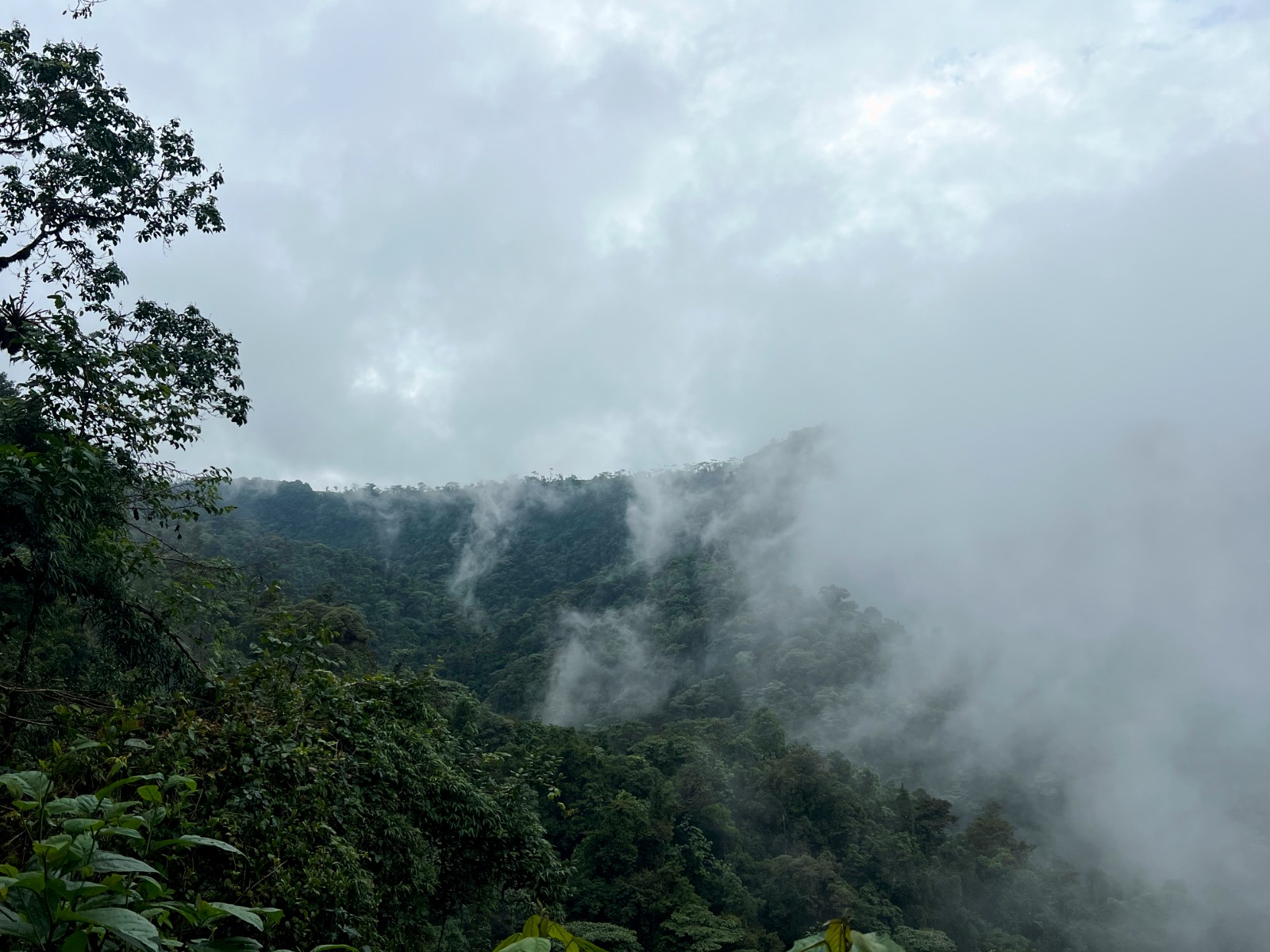
Clouds over forested ridges in the Chocó Andino

Timing

Choose the day around your priority

There is no single schedule that works for every experience. A producer visit, community conversation, forest walk and viewpoint may each depend on different hours and conditions. Begin with the least flexible element, then organize transport and companion stops around it.

Host schedulesDaylight
Compare things to do
Misty mountain route in the Chocó Andino

Movement

Match transport to the route

Public, shared and private options serve different needs, but dispersed stops and fixed return times require more coordination. Ask where pickup happens, how road conditions affect the day, what vehicle is appropriate and whether waiting time is part of the plan.

Pickup pointReturn time
Review transport planning
Cacao beans during a local processing demonstration

Experience design

Combine compatible interests

Cacao, coffee, culture and a short landscape stop may fit together when the locations and schedules align. A technical wildlife objective, long walk or distant community may need to stand alone. Compatibility is about time and purpose, not simply category.

One main interestOne compatible addition
Explore experience themes

When to visit

Use current conditions rather than a calendar promise.

Weather changes by elevation

Sun, cloud and rain can differ across the same route. Bring a light rain layer, protect electronics and keep expectations flexible even when the forecast looks simple.

Roads affect useful time

Rain, maintenance and local traffic can change travel pace. A realistic plan protects the primary experience instead of depending on perfect road timing.

Availability is date-specific

Hosts, guides and small operations may not follow a universal daily schedule. Confirm the actual date before treating an activity as open or included.

Where to base yourself

The best base depends on the first and last points of the route, not only the name of the destination.

Base strategyWorks well whenPlanning caution
Quito day tripYou want one focused route and can accept an early departure plus a defined returnDo not stack distant stops simply because they appear close on a map
Mindo-area baseYour priorities include Mindo activities, nearby cloud forest or onward regional explorationSome wider Chocó Andino experiences still require meaningful road time
Regional overnightYou want slower pacing, a specific host or more than one geographically compatible experienceConfirm lodging location, meals, access and transportation before committing

Build a day that can actually work

A practical sequence leaves margin for travel, orientation and the experience itself.

1. Define the anchor

Choose the visit that would make the day worthwhile on its own. Give it the best timing and protect enough time to participate rather than only arrive and leave.

2. Check the route

Compare the starting point, end point and required return. Ask whether a second stop sits naturally on the route or creates a separate journey.

3. Confirm the conditions

Verify access, host or guide availability, walking level, transportation, meals, equipment, language and the details included in the confirmed plan.

Understand the place before choosing the itinerary

The UNESCO-recognized Chocó Andino de Pichincha Biosphere Reserve provides important regional context, but the designation is not a promise that every site is open, publicly accessible or managed as one visitor attraction. Communities, productive landscapes, conservation areas and settlements have different rules and purposes.

Use the reserve guide to understand the wider landscape, then return to practical route planning for a specific visit.

What to bring and communicate

Exact equipment depends on the activity, but these basics make most planning conversations more useful.

For changing conditions

Carry water, sun protection, a rain layer, secure footwear and a protected place for electronics. Ask whether a specific walk needs different footwear or equipment.

For the group

Share ages, mobility considerations, dietary needs, language preferences and comfort with uneven terrain. This information is more useful before the route is chosen.

For local encounters

Ask before photographing people or work processes, follow host guidance, avoid wildlife guarantees and allow time for conversation instead of treating every stop as a transaction.

Travel planning questions

Use these answers as a starting point; confirm the final version for your date.

Can I visit the Chocó Andino from Quito in one day?

Yes, a focused day can work when the route matches the starting point, travel time and one clear priority. Trying to cover the wider region in the same day usually weakens the experience.

Do I need private transportation?

Not for every possible visit, but private transport can simplify dispersed stops, early departures and fixed return times. The best option depends on the exact route and confirmed pickup plan.

Should I stay in Quito or in the region?

Quito may suit a focused day trip. A base in or nearer the region can reduce repeated driving and create a slower schedule. Choose after identifying the main experience rather than before.

What must be confirmed?

Confirm access, host or guide availability, transport, pickup details, duration, inclusions, walking conditions, meals and any dietary, language or mobility needs.

Turn your priorities into a workable route

Send your date, group size, starting point, required return and the experience that matters most.