Practical choices · Local respect · Lower impact

Responsible Travel in the Chocó Andino

Travel responsibly through what you confirm, carry, photograph, purchase and leave undisturbed.

The Chocó Andino de Pichincha is a UNESCO biosphere reserve and a lived-in region of forests, farms, towns, roads and community initiatives. Responsible travel does not require a perfect trip or a vague “eco” label. It requires practical decisions that respond to the actual place, host and conditions of the day.

Confirm accessRespect hostsReduce disturbanceDescribe impact honestly
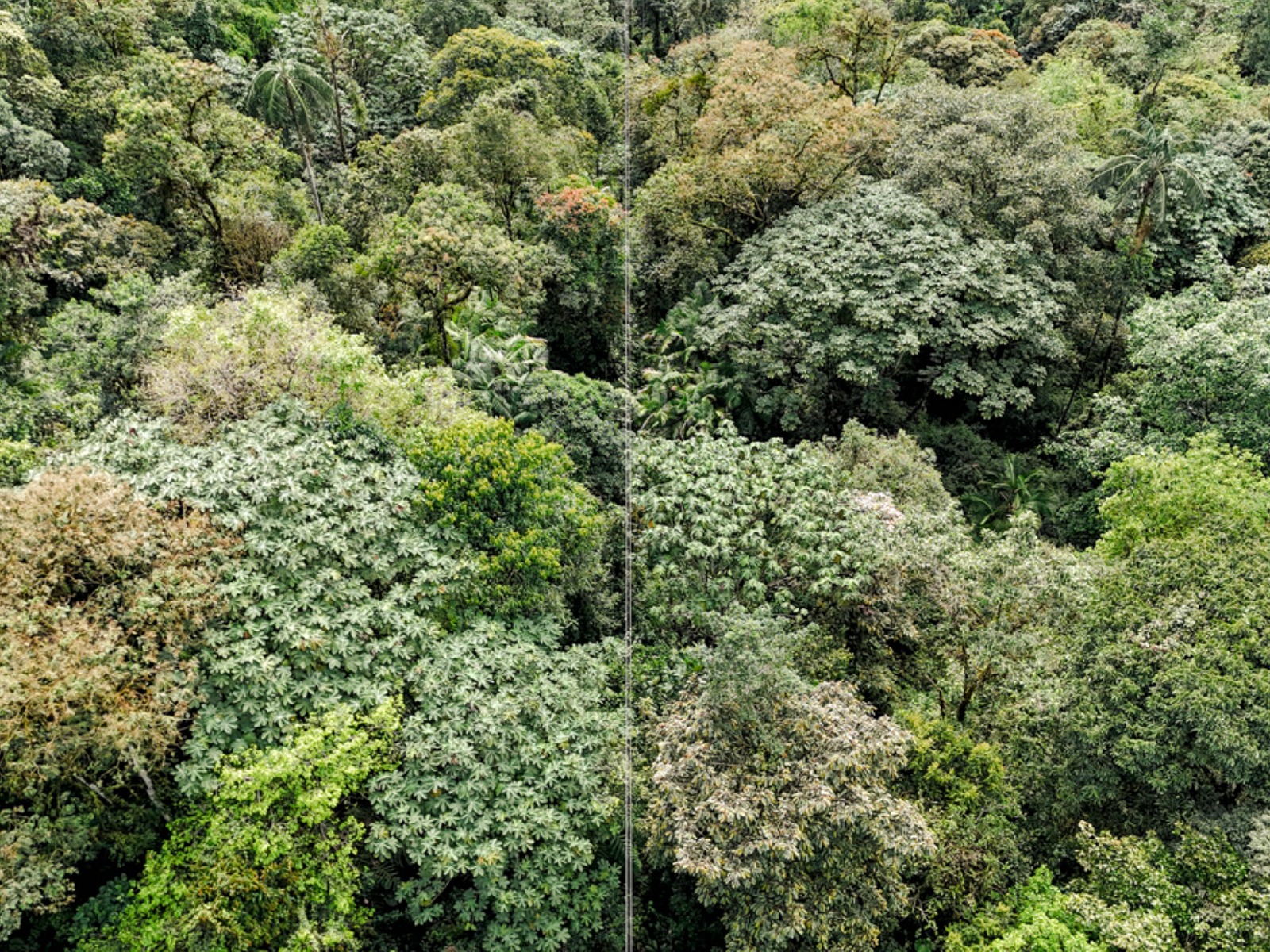
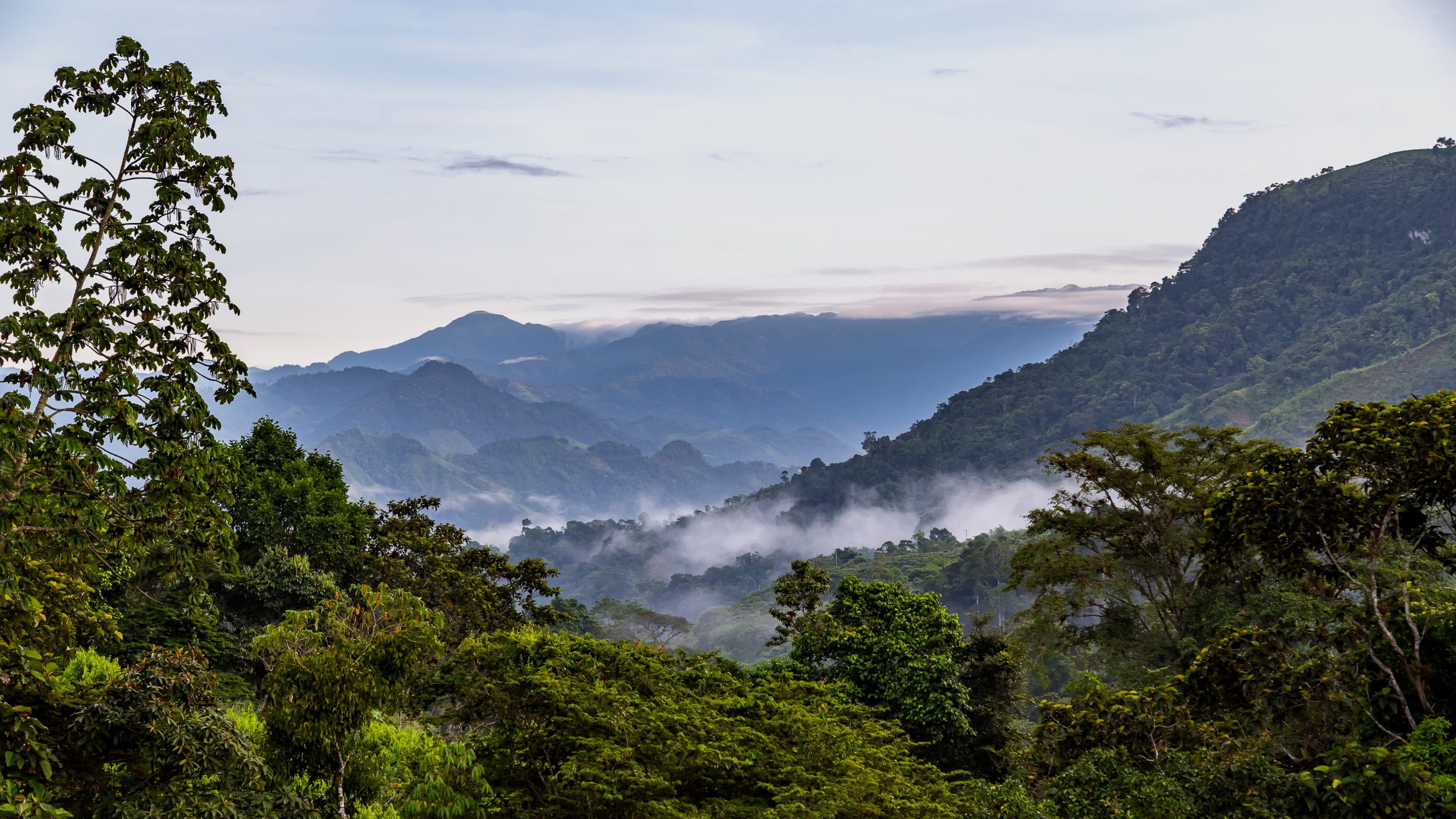
Forested mountain slopes and mist across the Chocó Andino
A biosphere reserve connects conservation, learning and human livelihoods across a large, varied territory.

Six decisions that make a visit more responsible

These actions are useful across forest trails, farms, community visits, roadside stops and private reserves.

Wide forested territory of the Chocó Andino

Plan with geography

Choose one realistic area

The reserve spans major changes in elevation, weather, habitat and road conditions. A shorter, coherent route reduces rushed driving and lets you spend meaningful time at the main experience. Do not treat the whole Chocó Andino as one compact attraction.

Focused routeTravel margin
Understand the reserve
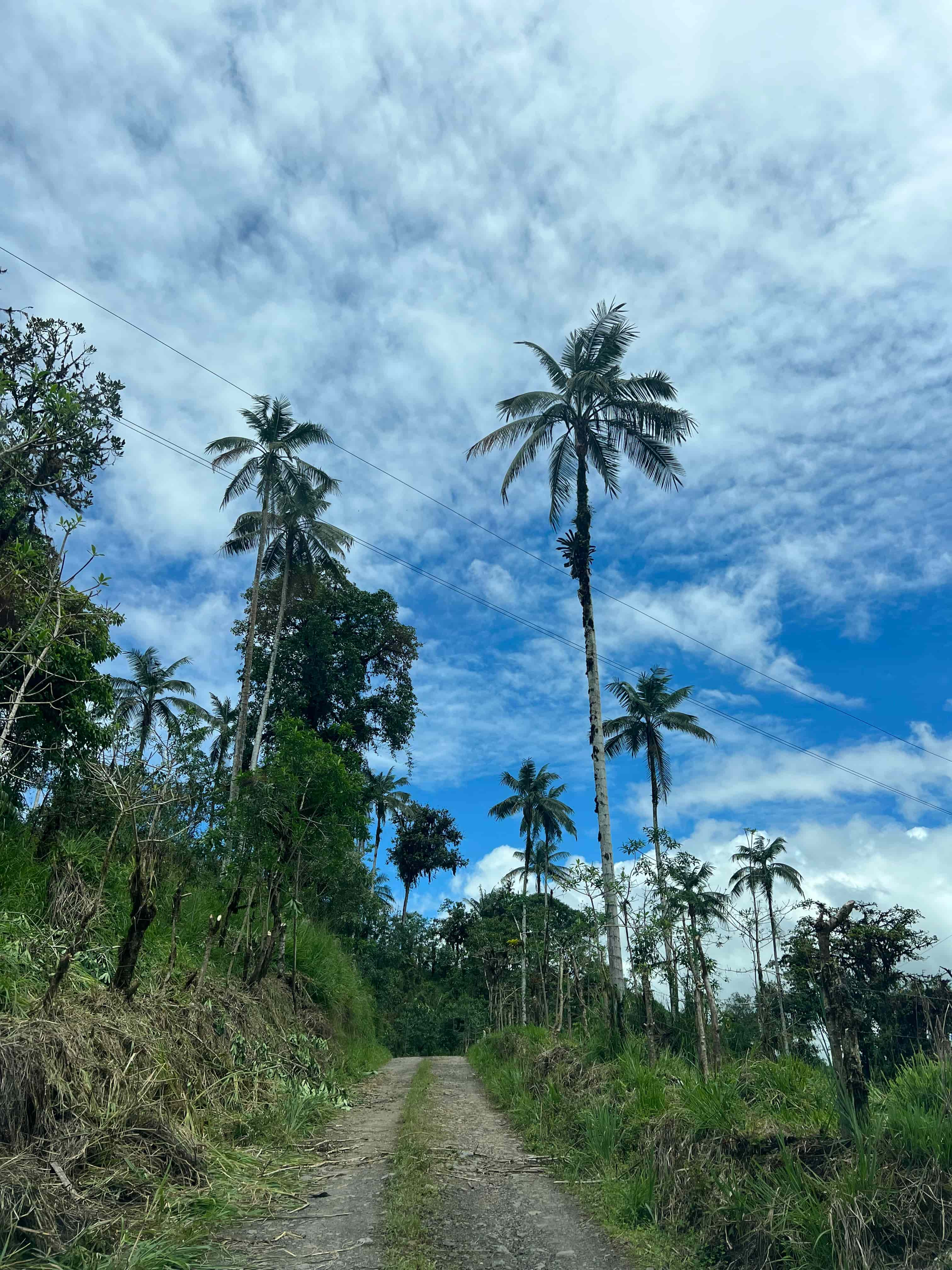
Rural road passing through a palm-filled landscape

Access and safety

Confirm before entering

Public roads, farms, community spaces, reserves and trails have different rules. Check the host, meeting point, permission, opening conditions, terrain and transport before departure. A map pin or social-media post does not establish visitor access.

Permission checkedCurrent conditions
Review practical planning
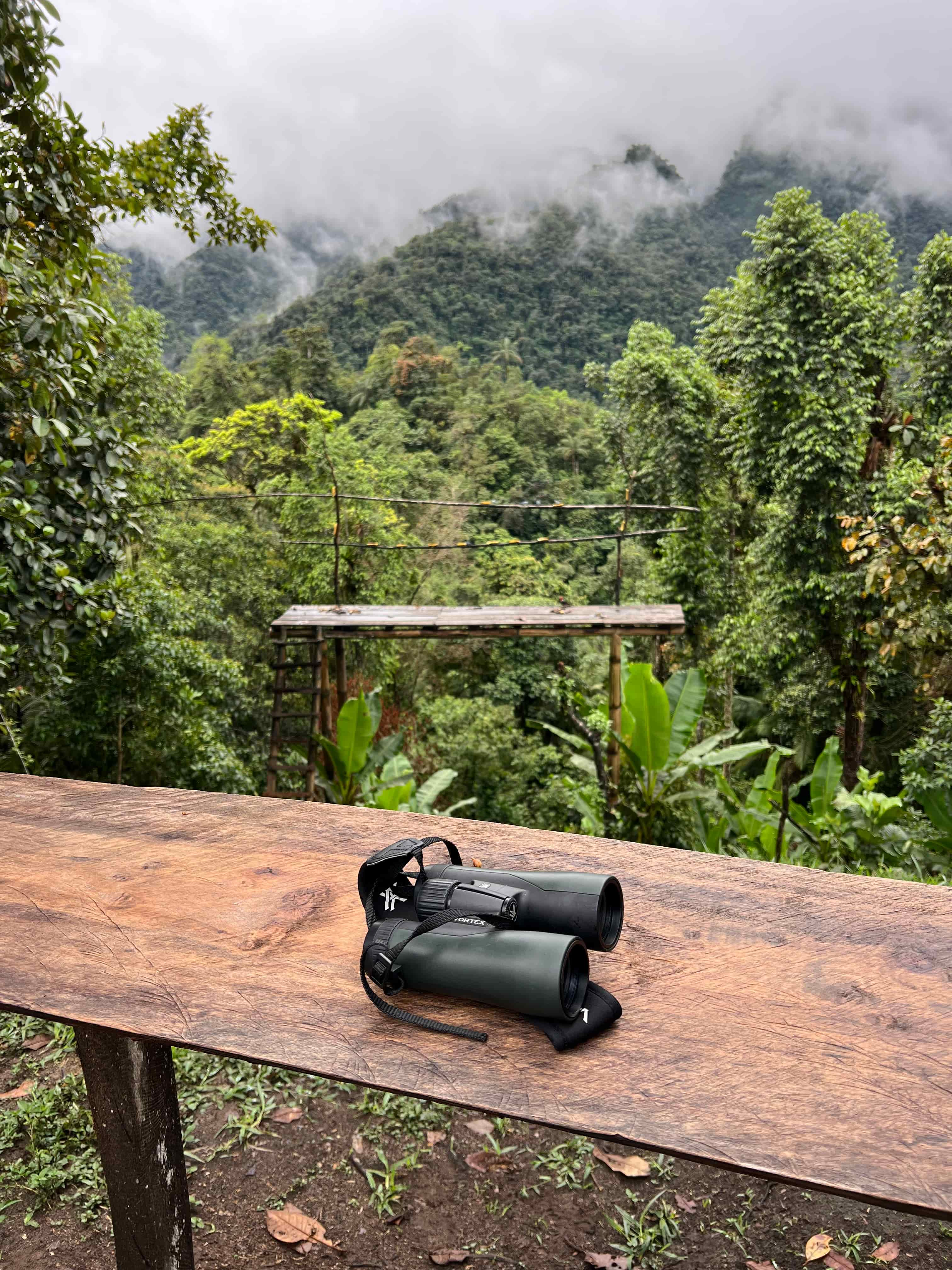
Binoculars resting beside a forest viewpoint

Wildlife and habitat

Observe without changing behavior

Keep an appropriate distance, stay on the instructed route and never feed or handle wildlife. Avoid loud groups, flash or repeated sound playback when they may disturb animals. Follow the guide or reserve’s stricter rules when they apply.

No feedingQuiet observation
Find the birding pathway
Cacao processing as part of a working local enterprise

People and work

Let hosts define the encounter

Ask before entering work areas, participating, recording or photographing. Respect the agreed duration and do not pressure a host to demonstrate an inactive process. Daily work is not a performance created for the visitor.

Consent firstHost-led
Understand community tourism
Coffee cherries growing within a productive landscape

Local purchasing

Ask what your payment covers

Use the stated price and payment method for confirmed guiding, food, products or entry. Buying locally can be meaningful, but never describe a payment as supporting an entire community or conservation program unless the organization explains that relationship.

Clear termsAccurate claims
Meet farms and producers
Clouds moving through a forested mountain landscape

What you carry

Prepare to leave less behind

Bring a refillable water bottle where safe refills are available, avoid unnecessary single-use packaging and carry out personal waste when disposal is uncertain. Never leave food scraps, cigarette ends or “biodegradable” litter on a trail.

Refill when possibleCarry waste out
Ask about route logistics

Compare guidance by setting

The same principle—follow the people responsible for the place—looks different in each environment.

SettingMain responsibilityConfirm before arrival
Community visitRespect the host’s time, boundaries, story and photography decisionsOrganization, host, purpose, schedule, price and permission
Farm or producerProtect working areas, crops, equipment and active processesAccess, footwear, participation, food safety and purchases
Forest trail or reserveStay on the instructed route and reduce noise, waste and habitat disturbanceEntry, guide, trail, weather, difficulty, rules and closing time
Wildlife observationKeep distance and avoid feeding, handling or altering animal behaviorGuide practices, group size, photography and site restrictions
Roadside viewpointPark safely without blocking residents, traffic or property accessLegal stopping area, visibility, weather and private boundaries

A biosphere reserve is not one continuous park

UNESCO’s designation recognizes a broad territory where biodiversity conservation, research, learning and human development coexist. The Chocó Andino includes inhabited and productive landscapes as well as forests and conservation areas. The label does not mean that every road, farm, trail or viewpoint is publicly accessible.

Ask which organization manages the specific place you will enter. Follow its current rules rather than assuming that general destination guidance overrides a landowner, community, reserve or local authority.

Before, during and after your visit

Responsible travel is a sequence of small actions, not a badge attached to a booking.

Before: ask specific questions

Confirm the host, route, access, transport, walking, weather, food, water, restrooms, waste plan, group size and photography rules. Share mobility, dietary and professional needs in advance.

During: follow the local lead

Arrive at the agreed time, listen to safety and access guidance, keep the group together and ask before changing the plan. A responsible visitor accepts that conditions may limit an activity.

After: represent the visit honestly

Credit hosts by their preferred name, obtain consent before publishing identifiable images and avoid universal claims based on one encounter. Send concerns privately to the responsible operator or organization.

Be careful with “eco,” “sustainable” and “community benefit” claims

A beautiful natural setting does not prove that an activity is sustainable. Ask what practices, management rules or verified programs support the claim. We do not label a provider, property or route as certified unless the relevant certification and current status can be confirmed.

Likewise, a locally purchased service does not automatically benefit every resident. Describe the direct exchange accurately: you paid a named host, guide, producer, reserve or organization for a stated service or product.

Responsible travel questions

Use these answers as a final check before confirming a route.

What does responsible travel mean here?

It means planning around real access and local guidance, reducing waste and disturbance, respecting community and producer boundaries and describing the visit’s impact accurately.

Who should use this guide?

Every visitor benefits from it, especially travelers entering rural communities, farms, forest trails, reserves or wildlife areas and anyone photographing or publishing about local people.

How should I prepare?

Confirm the route, host, access, weather, terrain, transport, food, water, waste plan, photography rules and current conditions. Bring suitable clothing and realistic timing.

Does visiting automatically support conservation?

No. Ask who operates the experience and what the payment covers. Do not claim a conservation or community benefit unless the responsible organization confirms it.

Build responsibility into the route from the start

Share your date, group, interests, mobility and starting point. We will help identify the access, host and practical conditions that need confirmation.