Producers · Traditions · Community context

Food and Culture of the Chocó Andino

Understand the region through the people who grow, prepare, share and explain its food.

A meaningful food experience is more than a tasting. It can connect agricultural landscapes, producer knowledge, household or community traditions, local enterprise and the choices behind cacao, coffee or a meal. The best route depends on who is available, what work is active and how much time you can spend listening as well as eating.

Local producersCacao and coffeeMeals when confirmedRespectful encounters
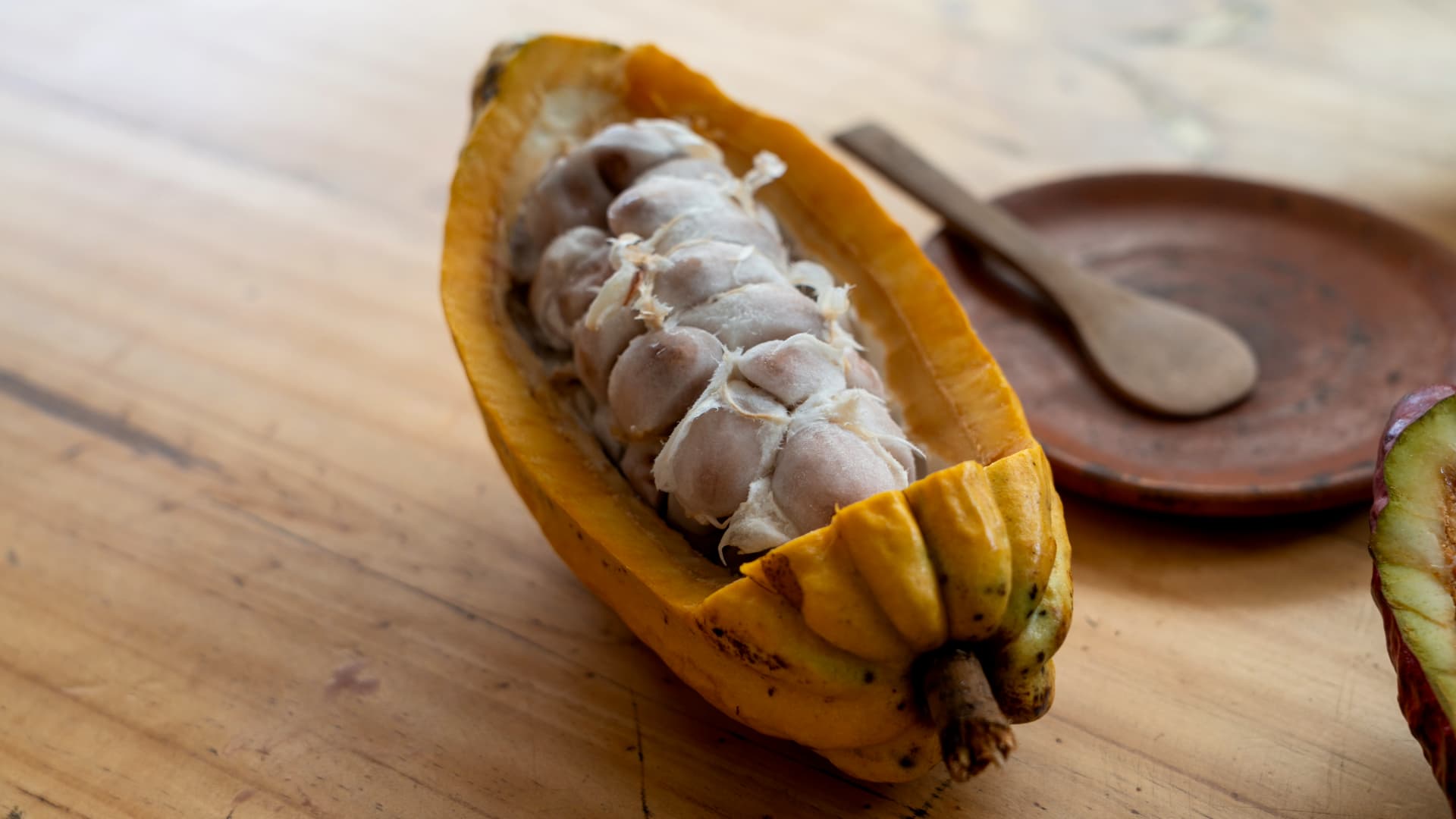
Open cacao pod with beans and white pulp on a wooden surface
Food becomes more meaningful when its ingredients, labor and local context remain visible.

Six ways food can explain the region

These themes can stand alone or form a compatible route when geography and schedules align.

Fresh cacao pod opened to reveal the beans

Crop and transformation

Cacao and artisanal chocolate

Follow cacao from its agricultural setting toward post-harvest work, preparation or tasting. The active stages change by producer and date, so a responsible visit explains what is genuinely happening instead of promising a complete process every day.

Producer contextActive stages
Explore cacao experiences
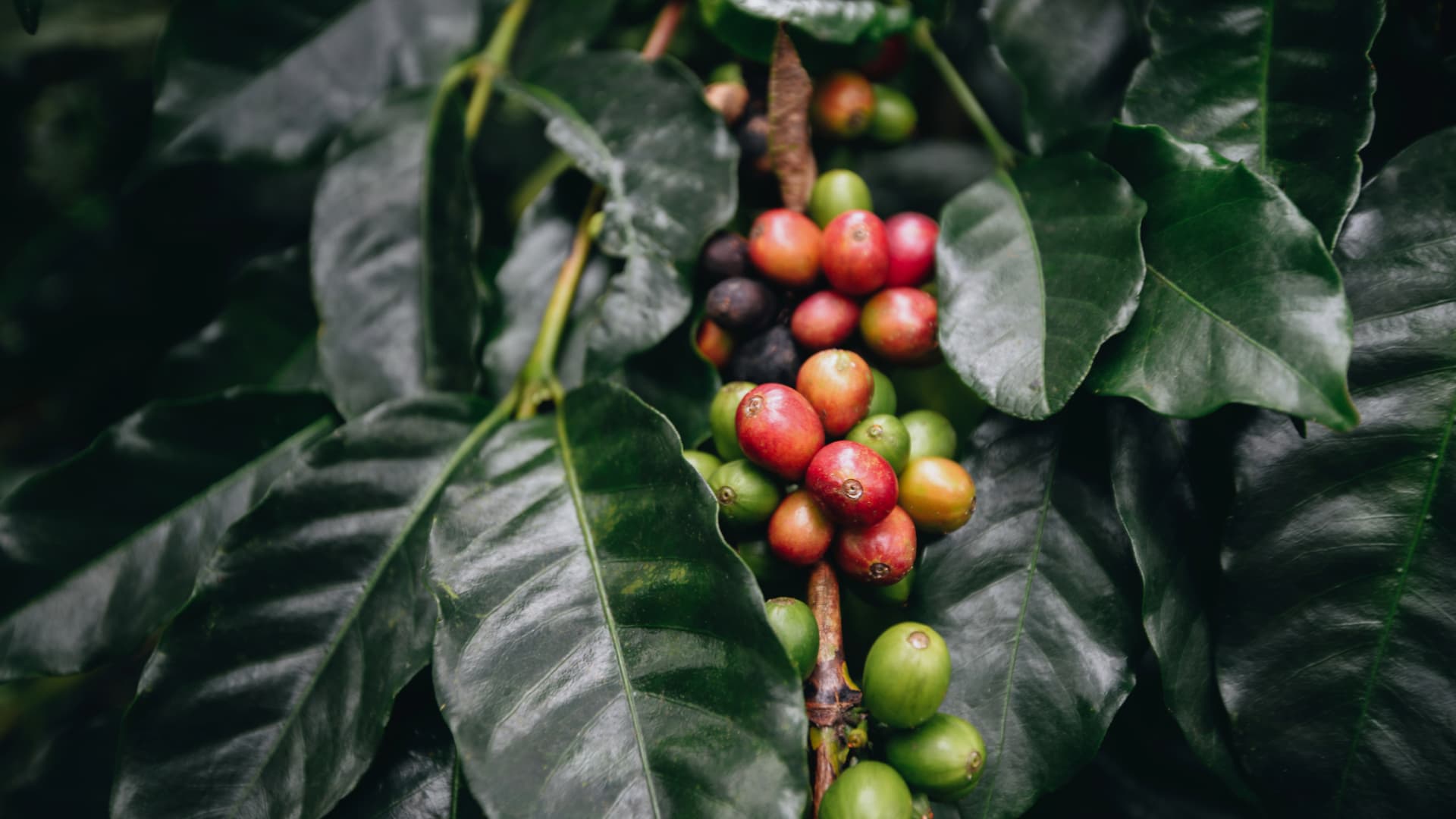
Coffee cherries growing among glossy green leaves

Farm and cup

Coffee and producer knowledge

Connect the familiar cup with cultivation, harvest, processing, roasting or brewing. Not every farm performs each step for visitors. Choose between an introductory tasting, a landscape-focused farm walk or deeper technical discussion according to current availability.

Farm scheduleDesired depth
Explore coffee farms
A local setting suitable for a hosted meal or food conversation

Hospitality and flavor

Hosted meals and local preparation

A meal can create space to discuss ingredients, sourcing, family knowledge and the rhythm of local life. Menus, cooks and locations are date-specific. Share allergies, dietary needs and expectations early, and do not assume a demonstration or fixed menu without confirmation.

Reservation neededDietary details
Ask about a food-focused visit
Rural community landscape in the Chocó Andino

People and place

Community stories and local knowledge

Food can open a wider conversation about settlement, work, conservation, migration and community decisions. The host should shape what is shared and how. Allow time to listen, ask permission before photographing and avoid treating living culture as a performance.

Host-ledTime to listen
Understand community tourism
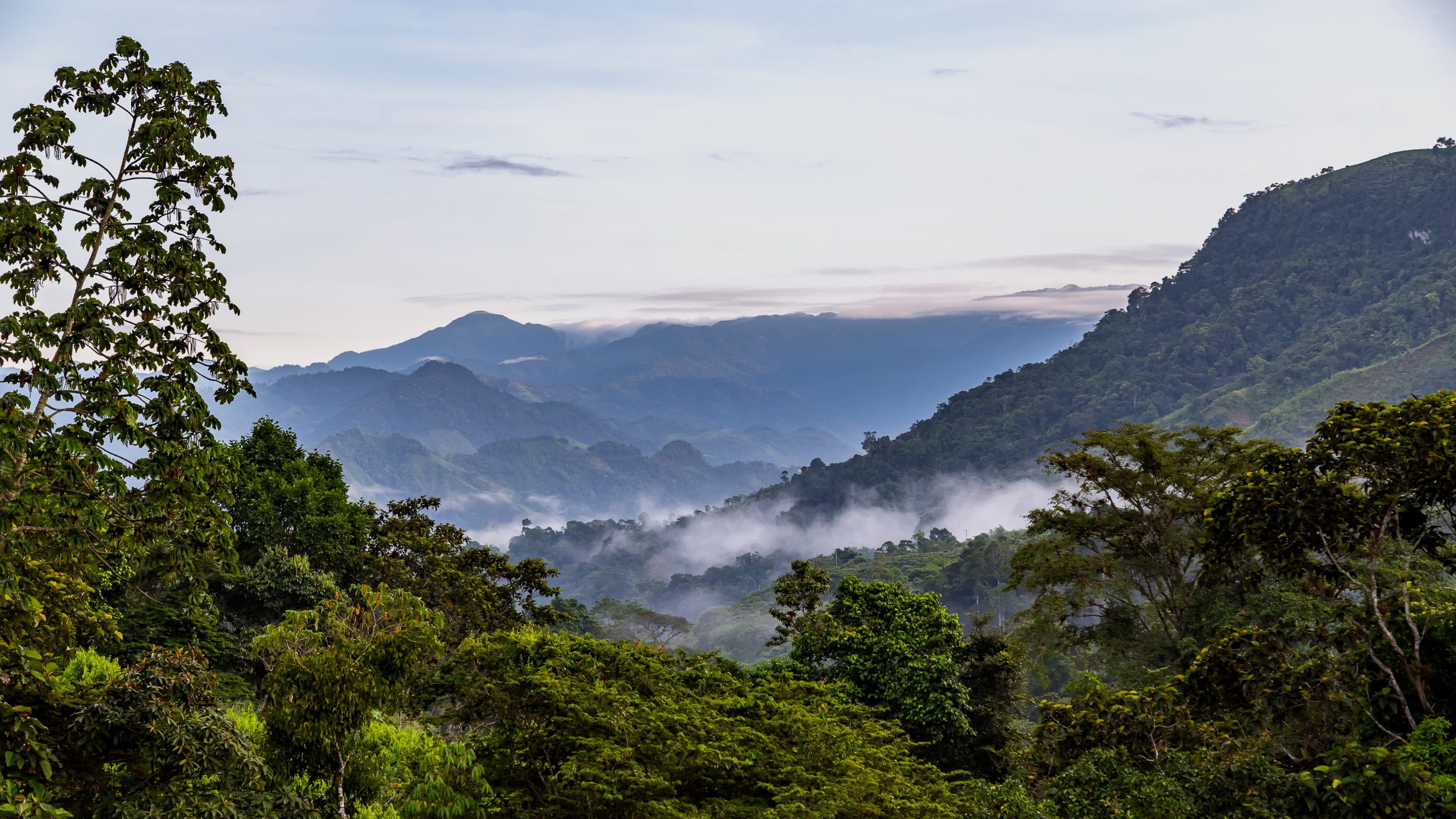
Forested mountains surrounding productive landscapes in the Chocó Andino

Land and livelihoods

Agricultural landscapes

Cacao, coffee and other local products exist within farms, forests, roads and communities. A landscape stop or walk can add context when it sits naturally on the route. Confirm access, terrain and weather instead of assuming every productive area is open to visitors.

Working landscapeAccess confirmed
Meet farms and producers
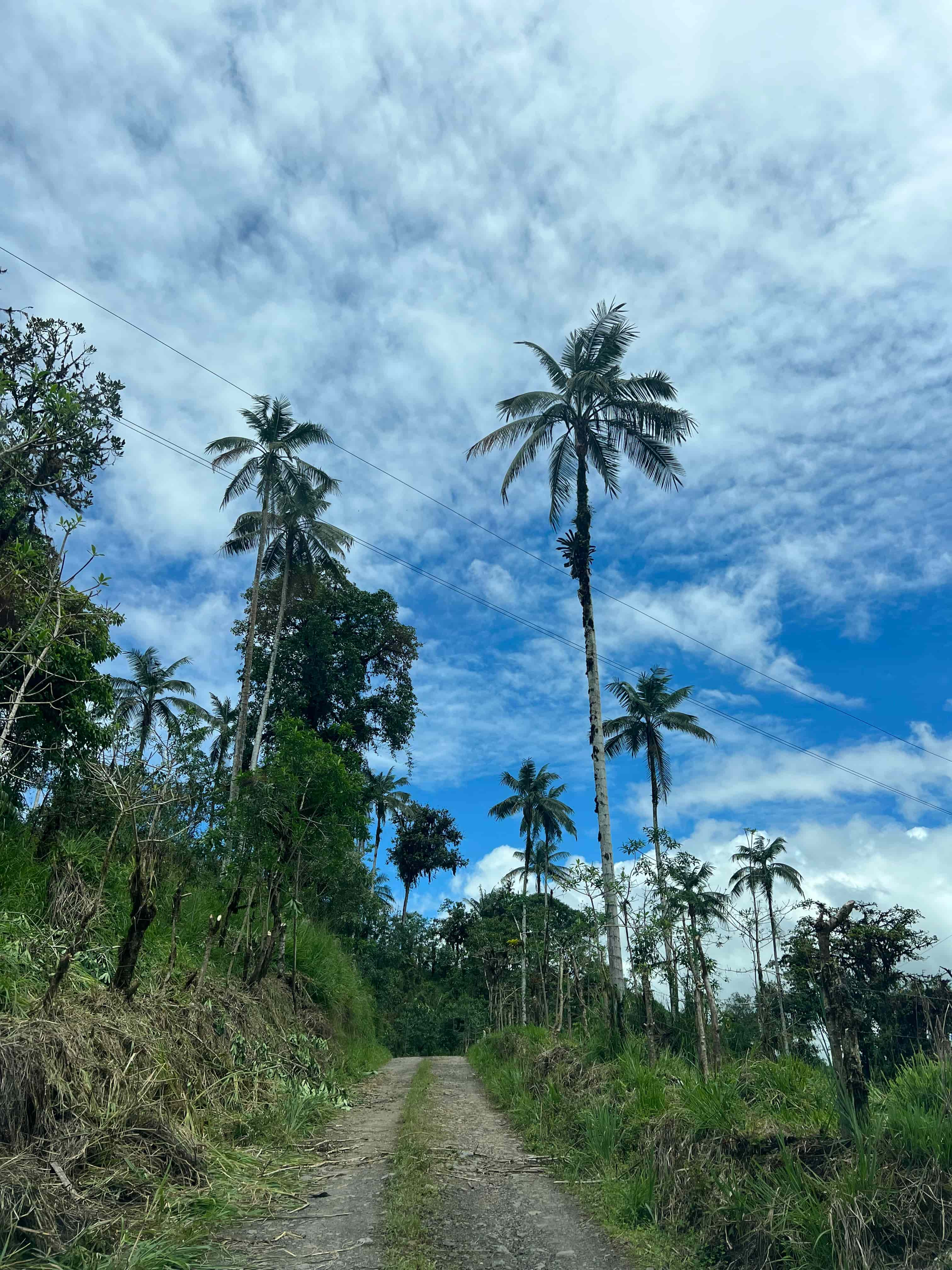
Regional road and mountain scenery in the Chocó Andino

Season and gathering

Markets, fairs and local events

Seasonal gatherings may bring producers, food and community activity together, but dates, vendors and formats change. An event should only be added after checking the current calendar, transport and whether it fits the visitor's purpose rather than being treated as a permanent attraction.

Calendar checkedCurrent format
Review regional planning

Compare food and cultural formats

The right choice depends on the relationship you want with the place and host.

ExperienceWhat it can offerWhat to confirm
Producer visitAgriculture, process, livelihoods and direct explanation from the people involvedActive work, access, host, language, terrain, purchase options and transport
Tasting or workshopFocused sensory or practical learning about cacao, coffee or another productSamples, participation, equipment, age suitability, dietary needs and duration
Hosted mealConversation around ingredients, preparation, hospitality and local contextMenu, allergies, dietary preferences, location, reservation, group capacity and payment
Community or regional routeA broader connection among food, culture, work and landscapeHost schedules, permissions, geography, transport, meals and realistic pacing

Culture is lived; it is not a scheduled performance

Communities and producers decide what they wish to share. A respectful route does not invent ceremonies, label every practice as “ancestral,” or promise private access for the sake of a marketable itinerary. It distinguishes documented history, a host's own experience and visitor interpretation.

Ask before photographing people, homes, kitchens or work areas. Follow food-safety and farm instructions. Pay fairly for confirmed services and products, while understanding that buying an item should not be represented as compulsory unless that condition is stated in advance.

Build a balanced cultural route

One strong conversation is often more valuable than several hurried tastings.

1. Choose the anchor

Decide whether the main purpose is cacao, coffee, a meal, agricultural learning or community context. Give that visit enough time to participate and ask questions.

2. Add a compatible layer

A nearby landscape, another part of the same production process or a meal may deepen the route. Add it only when geography, host schedules and group energy align.

3. Confirm the operational details

Check people, location, transport, access, food, dietary needs, language, inclusions, price and cancellation terms. Use the date-specific confirmation as the final plan.

Who this guide helps

Food and culture routes can be adapted without pretending every format suits every group.

First-time regional visitors

A balanced introduction can connect one producer or hosted experience with the wider landscape. It should explain context without trying to summarize the entire region in a day.

Families and small groups

Share ages, allergies, mobility and food preferences. Confirm supervision, hot equipment, farm terrain and whether the pace works for everyone.

Food, culture and agriculture enthusiasts

Describe the depth you want—technical process, sensory analysis, history, enterprise or community organization—so the right host and format can be checked.

Food and culture questions

Use these answers to prepare a useful request.

What is a Chocó Andino food and culture experience?

It is a producer-, host- or community-centered visit that connects food with agriculture, preparation, livelihoods and local knowledge. The exact format depends on current access and availability.

Who is it best for?

It suits travelers interested in food, people, agriculture and regional context, including couples, families and small groups. The host and format should match the group's needs and desired depth.

How long should I allow?

A focused tasting can be brief, while a farm, workshop, meal or community route requires more time and transport. One deep experience plus a compatible addition is often the most realistic day.

What must be confirmed?

Confirm the host, location, date, access, transport, language, menu or samples, allergens, participation, inclusions, price, payment and cancellation terms.

Plan a route around people, food and place

Share your date, group, starting point, dietary needs and the story you most want to understand. We will check a focused and respectful format.