
Working landscapes · Local knowledge · Confirmed hosts

Local Farms and Producers in the Chocó Andino

Meet the region through the crops, processes and people that shape rural life—only when the host and visitor format are confirmed.

Cacao, coffee, fruits, vegetables, sugarcane, livestock and aquaculture form part of the Chocó Andino’s productive landscape. A useful visit is not an unannounced stop at a map pin. It is a date-specific exchange with permission, a clear purpose and respect for the work already happening. We curate possibilities and confirm which partners are receiving visitors before presenting a route.

Curated, not open accessPermission requiredActive process checkedNo generic farm promises
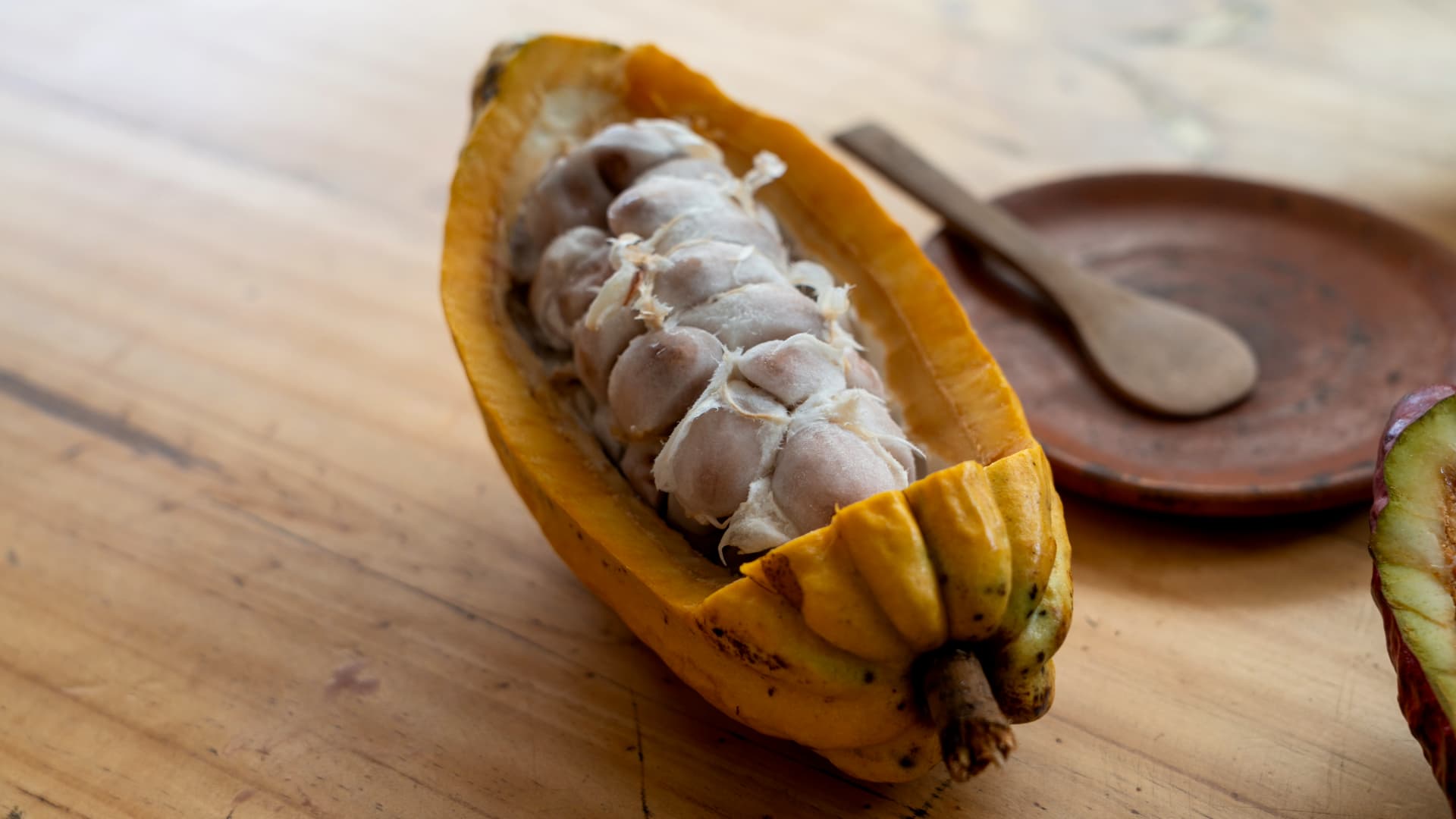
Open cacao pod showing beans and pulp
The strongest visit follows a real product, host and process rather than a generic farm label.

Choose a producer visit by purpose

These are regional themes, not a public directory of properties. Every location and host requires direct confirmation.

Cacao pod opened to show fresh beans

Cacao and chocolate

Follow cacao from landscape to flavor

A visit may focus on cultivation, post-harvest work, artisanal preparation or tasting. The season and active batch determine what can genuinely be observed. Ask whether the format takes place on a farm, in a workshop or at a tasting location.

Seasonal stagesHost confirmed
Explore cacao experiences
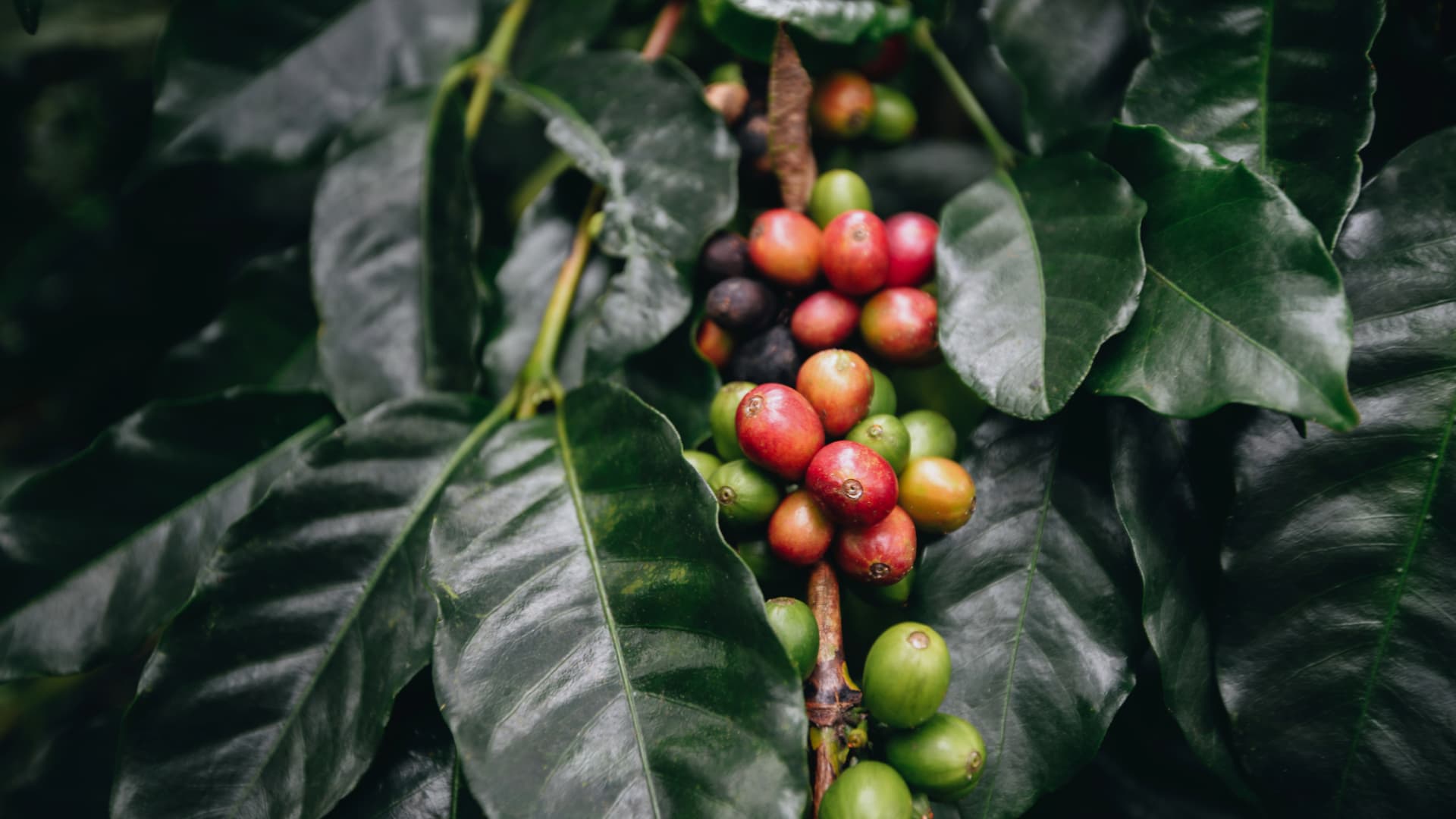
Ripe coffee cherries growing on a branch

Coffee

Understand the work behind the cup

Coffee routes can connect cultivation, harvesting, drying, roasting or tasting, but no single visit automatically includes every stage. Confirm the farm, current process, terrain and desired depth before scheduling the appointment.

Process variesTasting if confirmed
Compare coffee visits
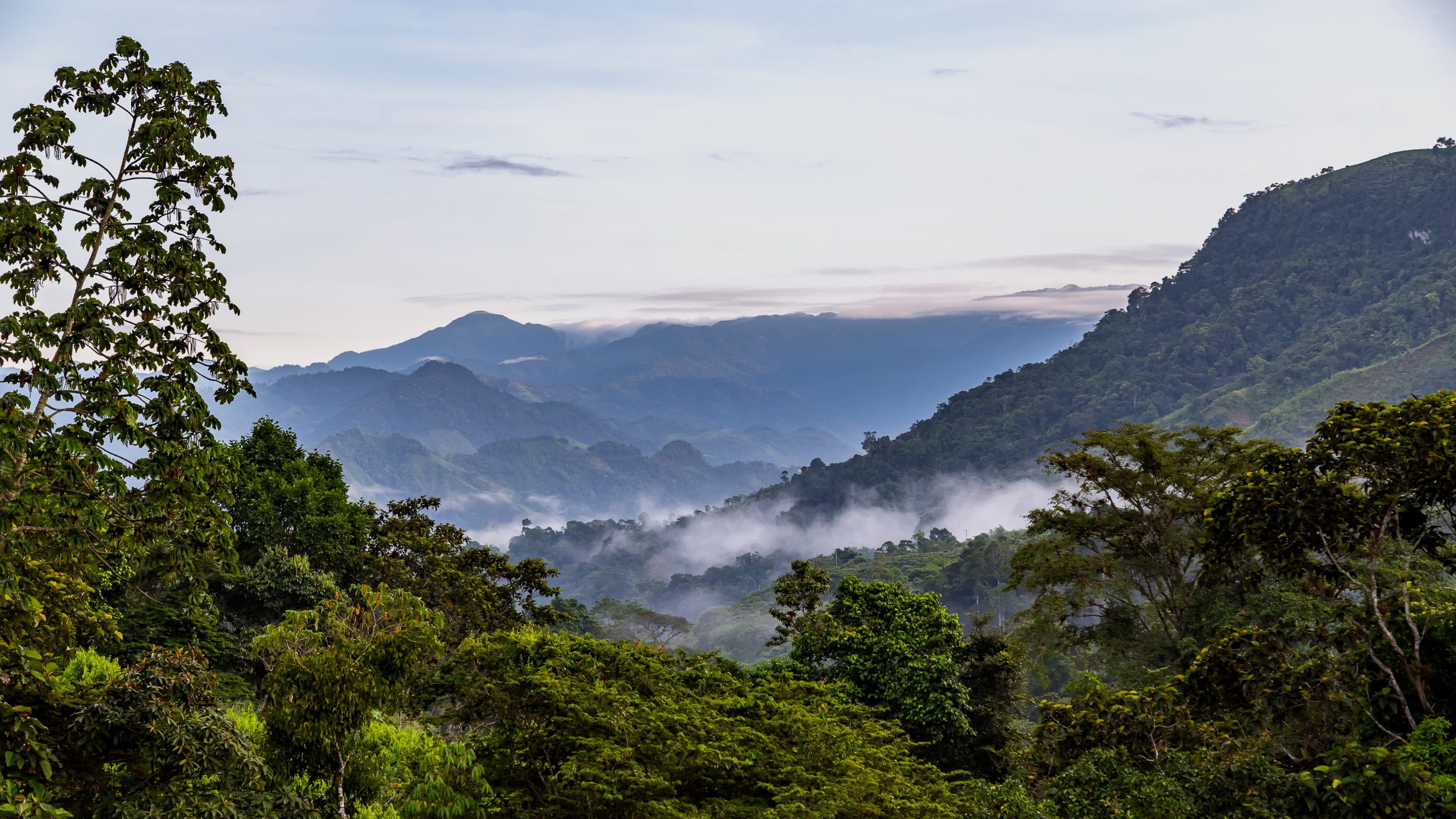
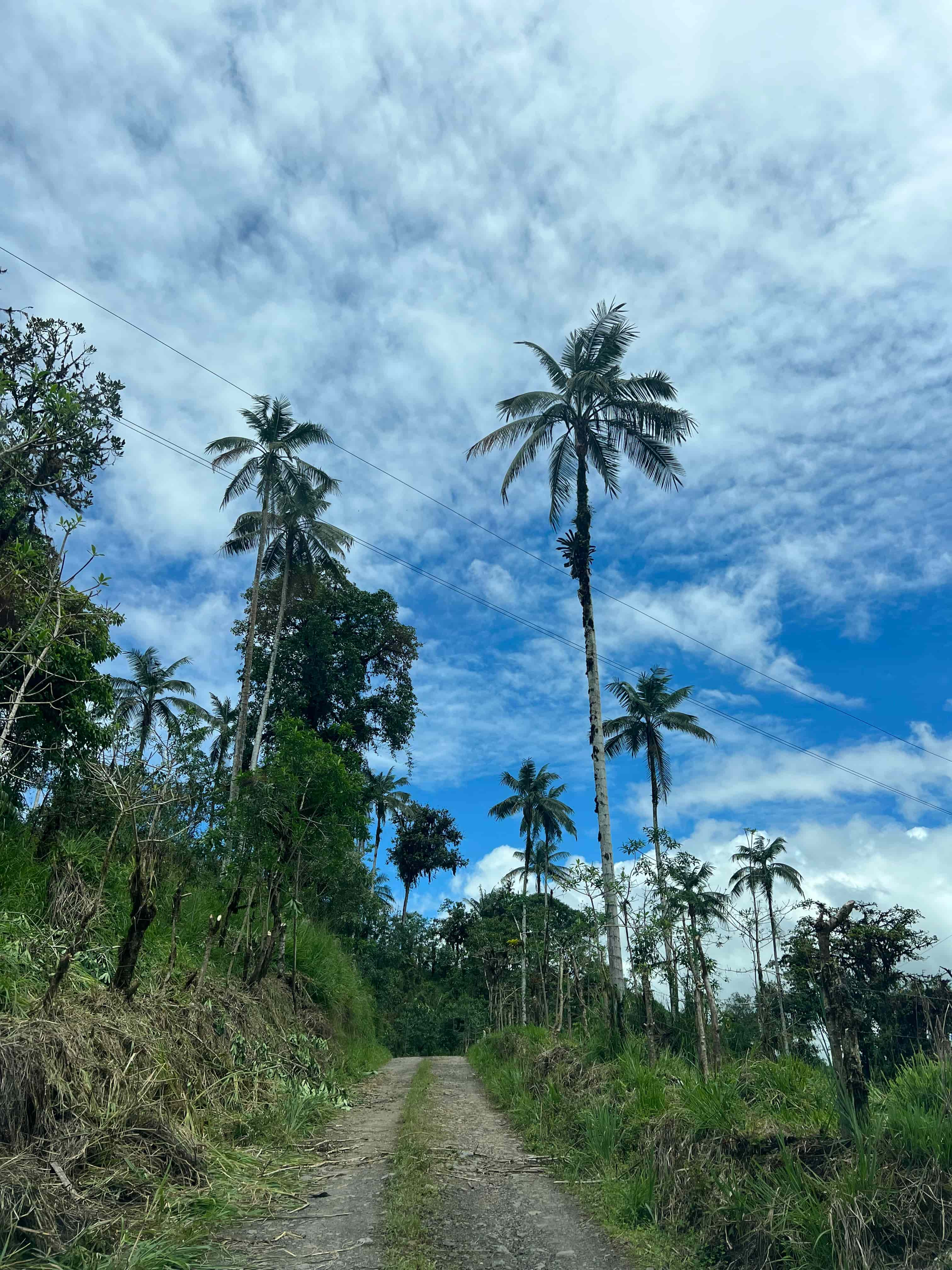
Rural productive landscape in northwestern Pichincha

Fruit and gardens

Learn through seasonal diversity

Fruit, vegetables and small gardens can explain climate, household food and local markets. Availability changes throughout the year, and a working garden should never be treated as a permanent display created for visitors.

Season dependentWorking space
Connect food and place
Forested rural mountains near productive communities

Sugarcane traditions

Ask which part of the process is active

Sugarcane is associated with productive areas around Pacto and Nanegal. A respectful visit must identify the current host, equipment, safety rules and whether cultivation, milling or another stage is actually available.

Regional contextSafety checked
Explore regional themes
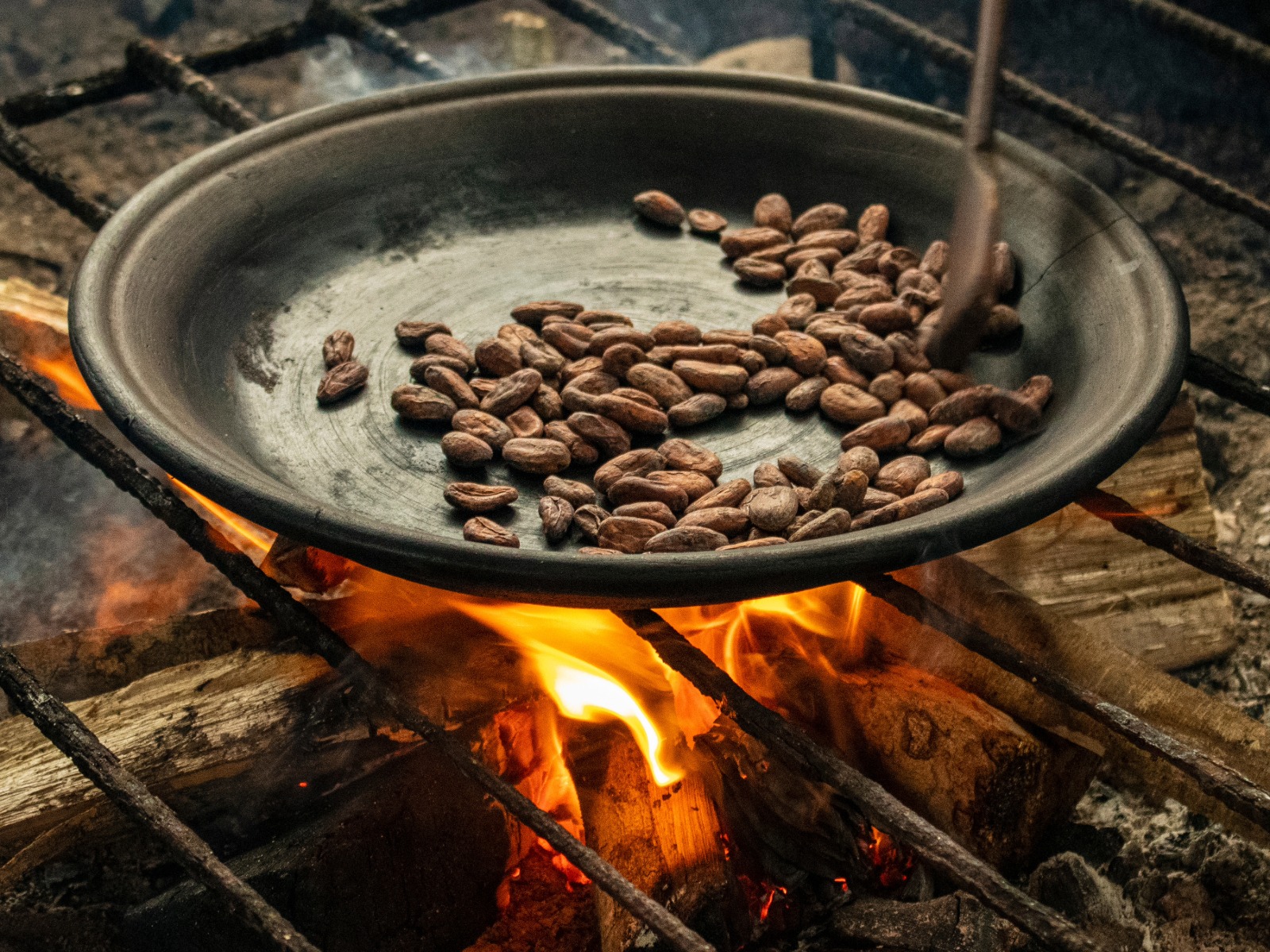
Cacao beans arranged during local processing

Food and transformation

See value added after harvest

Roasting, drying, cooking, preserving and packaging can reveal as much as the crop itself. Confirm whether the visit is observational, conversational or hands-on and follow hygiene and workspace instructions.

Process centeredHygiene respected
Compare experiences
Rural learning setting overlooking forest

Community knowledge

Connect production with local life

A host-led visit may explain cooperative work, conservation, food, history or household economy. The conversation matters more than collecting stops. Ask how the visit is organized and who benefits from it.

Host-ledContext first
Explore community tourism

Compare possible visit formats

Choose the level of depth that fits the group and the host’s real operation.

FormatWhat it may includeWhat to confirm
Short tasting or introductionProduct story, samples and concise interpretationLocation, samples, allergens, language, duration and purchases
Farm walkCrops, landscape, cultivation and seasonal activityTerrain, weather, footwear, active work, access and host schedule
Process demonstrationOne or more post-harvest or preparation stagesActive equipment, participation, safety, hygiene and age suitability
Meal or food exchangeLocal ingredients, preparation and conversationMenu, dietary needs, timing, group size and whether food is included
Longer community exchangeProduction within social, cultural and conservation contextHost agreement, privacy, language, transport and contribution

What official regional sources establish

The UNESCO profile for the Chocó Andino de Pichincha Biosphere Reserve documents fruit and vegetable production, sugarcane around Pacto and Nanegal, fish farming and livestock as regional economic activities. Quito Turismo has also described producer-focused coffee and cacao experiences and community tourism in the northwest. These sources establish regional relevance; they do not prove that a particular property is open today. Current visitor status and permission must still be verified.

Plan a respectful visit in three steps

The sequence keeps the experience useful for both traveler and host.

1. Choose the learning goal

Name the crop, process or rural question that matters most. This prevents a generic itinerary built from unrelated stops.

2. Confirm the right host

Check permission, visitor format, active process, date, group size, language and whether the location is prepared to receive the group.

3. Respect the working day

Arrive at the agreed time, follow safety and photography rules, avoid interrupting production and purchase only when appropriate.

Producer directory policy

This is a curated planning page, not an open directory or a promise of admission. We do not publish private access instructions or treat old tourism references as current availability. A producer is proposed only after the visit purpose, host permission, operational status and route have been checked for the requested date.

Prices, products, samples and payment methods can change. Nothing is included until it appears in the direct confirmation.

Farm and producer visit questions

Use these answers to prepare a qualified request.

What is a producer visit in the Chocó Andino?

It is a confirmed, host-led visit focused on a working farm, product or rural process. The content depends on the producer, season and active work.

Who is this experience best for?

It suits travelers interested in food, agriculture, local knowledge and working landscapes who respect host schedules and current conditions.

How long should I allow?

A tasting differs from a farm walk or process visit. Include time for rural roads, host coordination and any meal or nearby stop.

What must be confirmed?

Confirm the host, visitor status, location, active process, access, walking, language, food, purchases, photography, transport and inclusions.

Explore a producer visit with permission and purpose

Share your date, group, starting point and whether cacao, coffee, food or another productive landscape is the priority. We will check what can genuinely be visited.