Community leadership · Cloud forest · Rural livelihoods

Yunguilla Community Tourism Guide

Approach Yunguilla as a guest of a community-led initiative, not as a public attraction that can be entered without coordination.

Yunguilla is recognized for organizing tourism around community participation, conservation and rural livelihoods. Quito Turismo describes experiences connected with family hosting, local food, productive activities and routes through the surrounding landscape. What is available depends on community decisions, host schedules and the requested date, so a responsible plan begins with direct acceptance rather than a promise made by an outside operator.

Community-ledPrior coordinationSmall-group contextNo access assumed
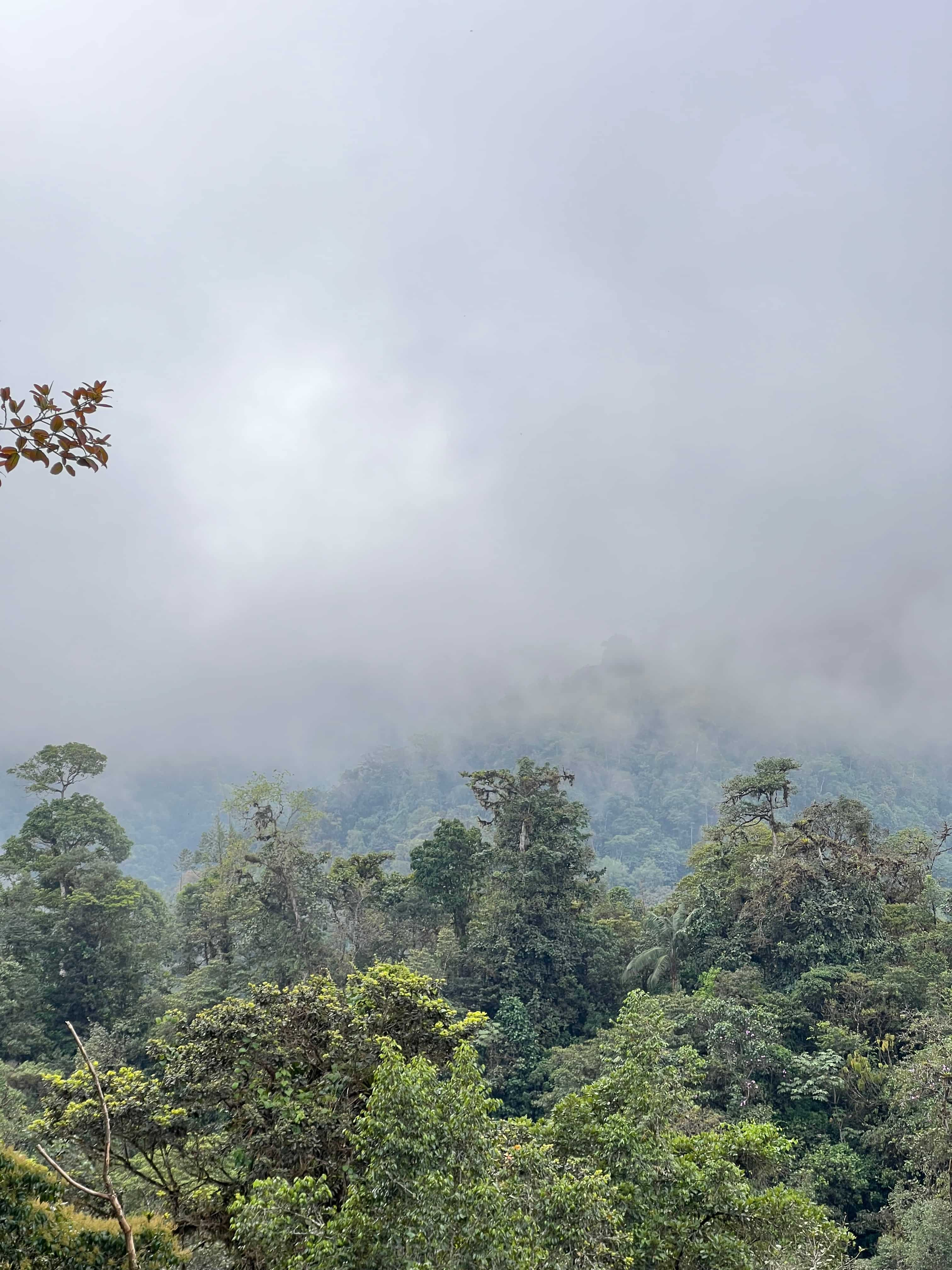
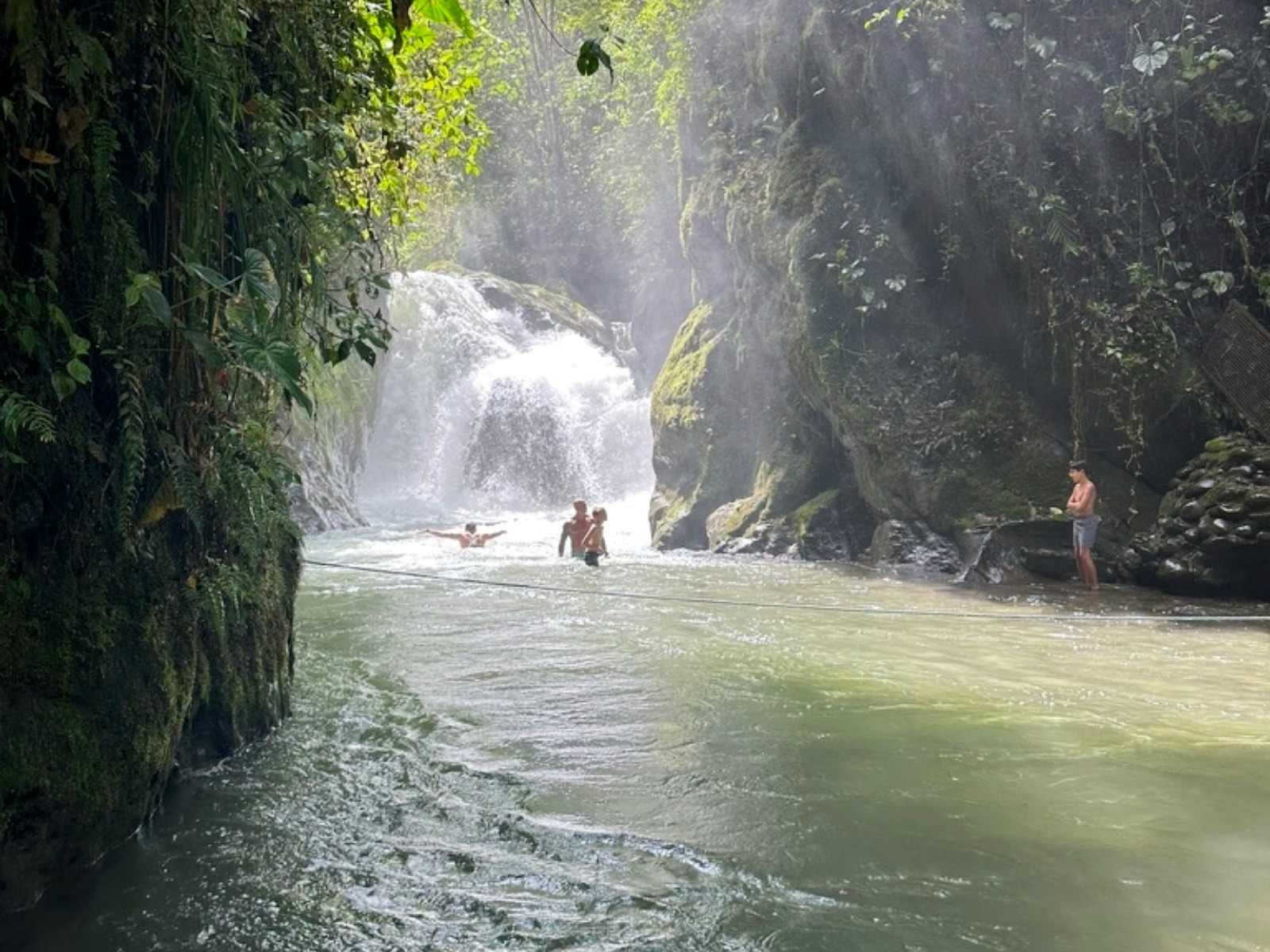
Cloud forest landscape in the wider Chocó Andino around Yunguilla
Yunguilla connects community organization, rural work and conservation within the cloud-forest landscape.

What community tourism can help you understand

The strongest visit is not a checklist of attractions. It shows how local organization connects livelihoods, conservation and hospitality.

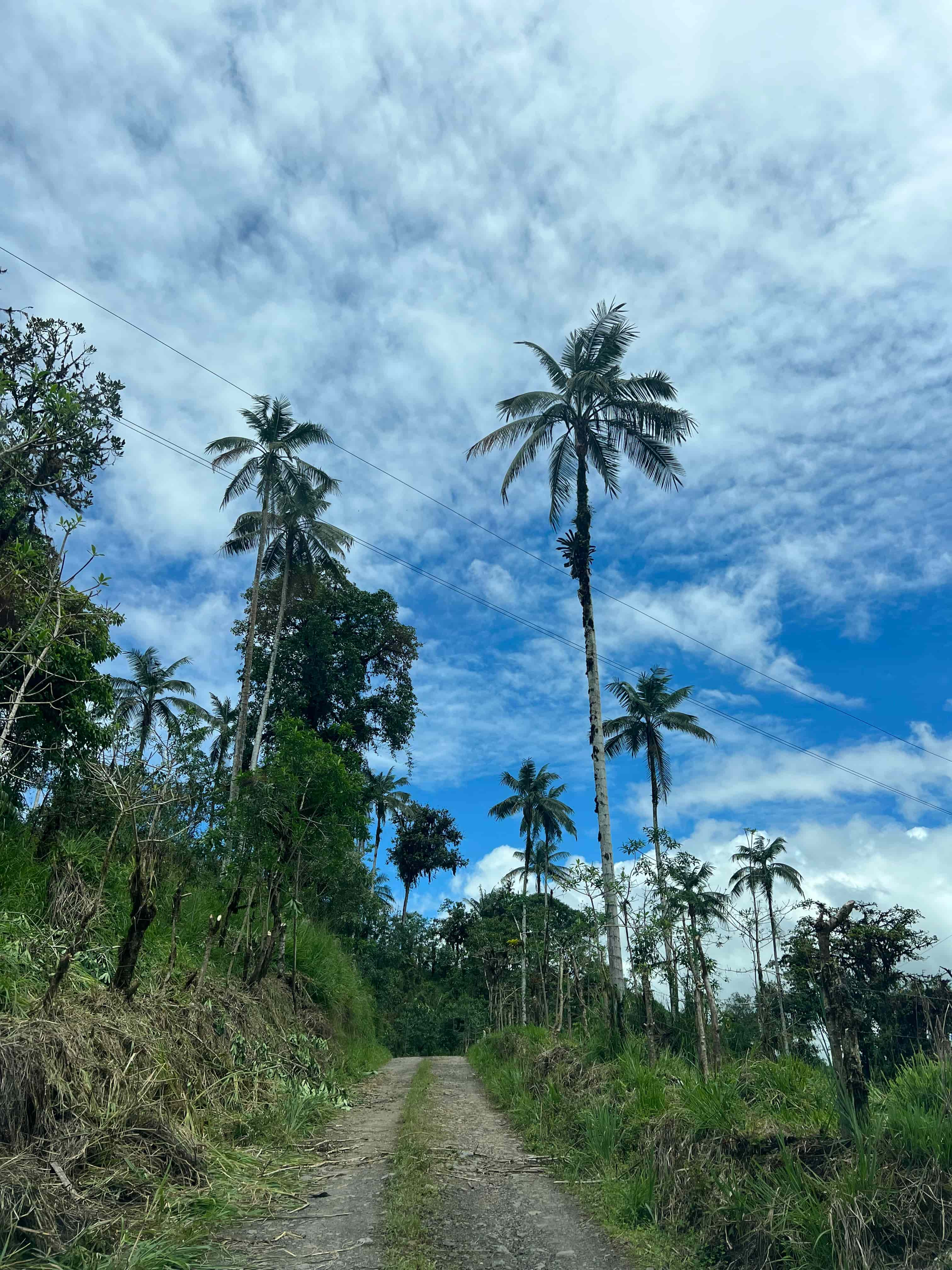
Rural road through the mountain landscape of northwestern Pichincha

Community organization

Local decisions shape the visit

Community tourism is more than using local scenery. The community defines how guests are received, who guides, which spaces are appropriate and how benefits circulate. Ask who is coordinating and how the requested activity supports the local model.

Local coordinationShared benefit
Understand the model
Hands demonstrating a regional productive process

Productive life

Learn from activities that are actually active

Official destination material has described organic cultivation, cheese, preserves, nurseries and other community initiatives over time. Do not assume every process runs daily. A meaningful visit follows the work the hosts choose and are prepared to share.

Current processHost confirmed
Compare producer visits
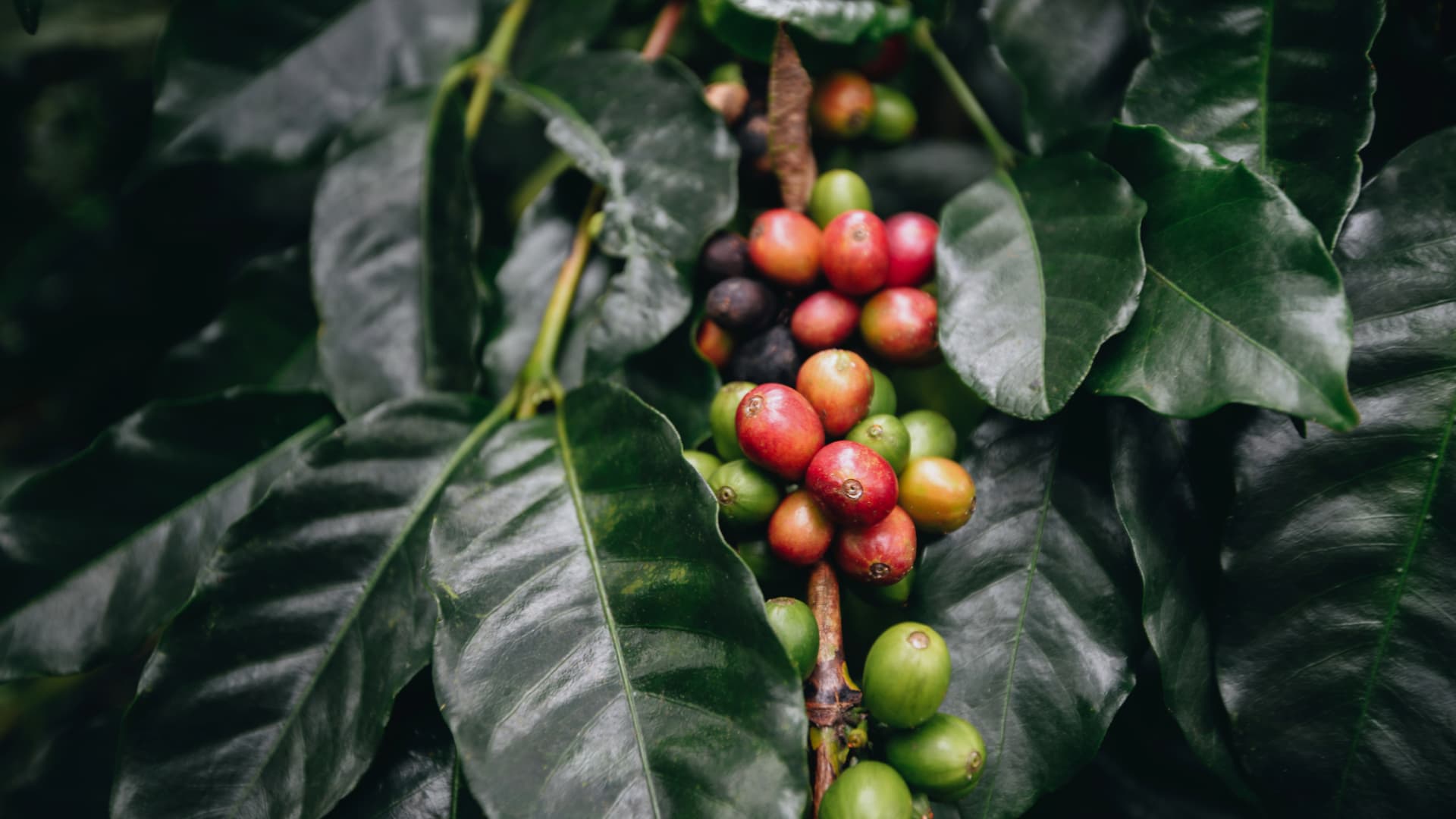
Cultivated fruit representing local food and agricultural knowledge

Food and hospitality

Meals require real preparation

Local food can carry knowledge about ingredients, cultivation and household work. Confirm whether a meal, tasting or preparation activity is included, along with dietary needs and timing. Hospitality should not be treated as unlimited or improvised labor.

Meal confirmedDietary context
Explore food and culture
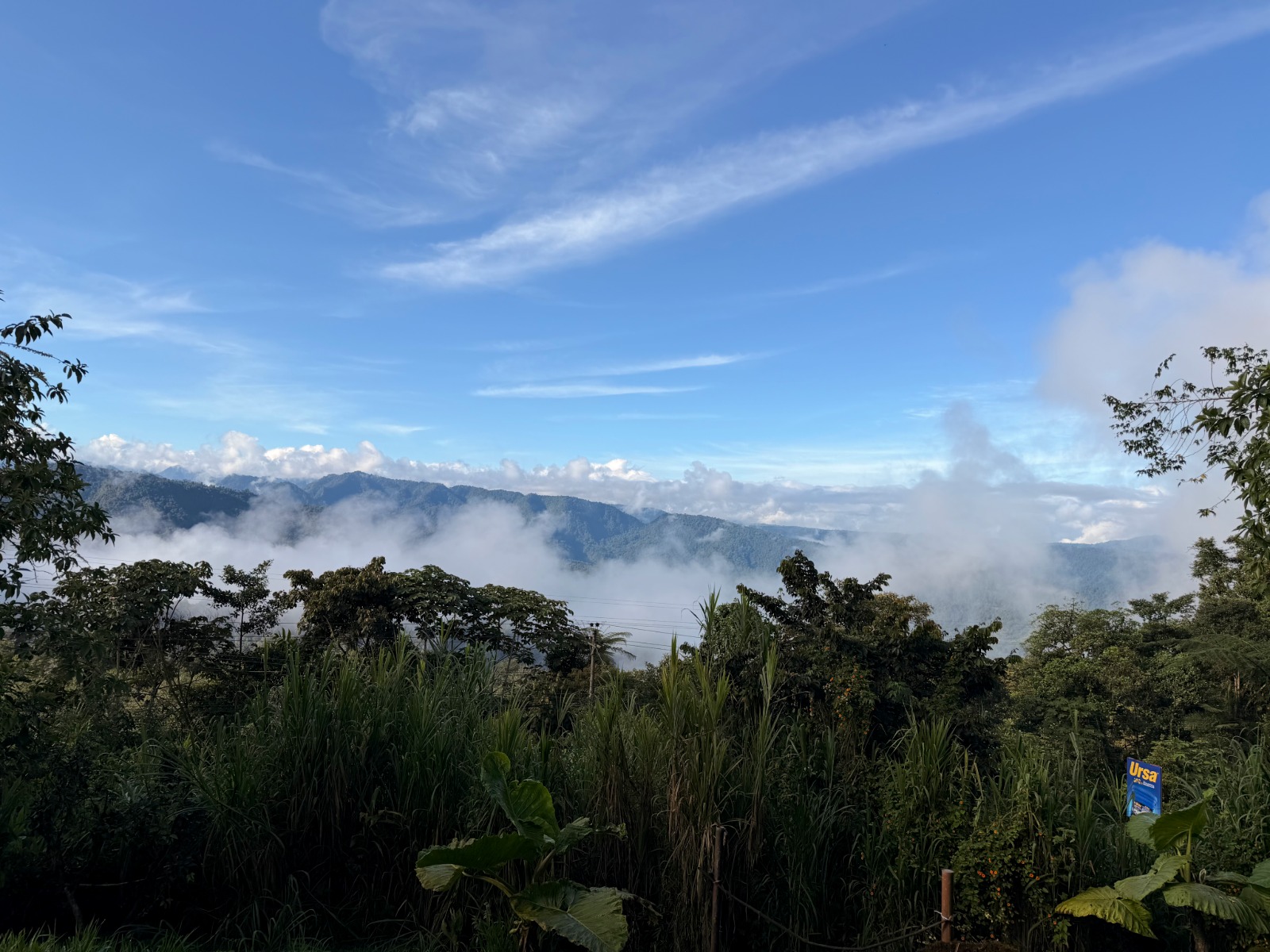
Cloud forest slopes surrounding rural communities

Conservation

Connect tourism with land stewardship

Yunguilla is widely presented as a sustainable community initiative within a cloud-forest setting. Ask how the specific route relates to conservation today. Avoid claiming wildlife sightings or entering restoration and private areas without local permission.

Landscape careNo wildlife promise
Travel responsibly
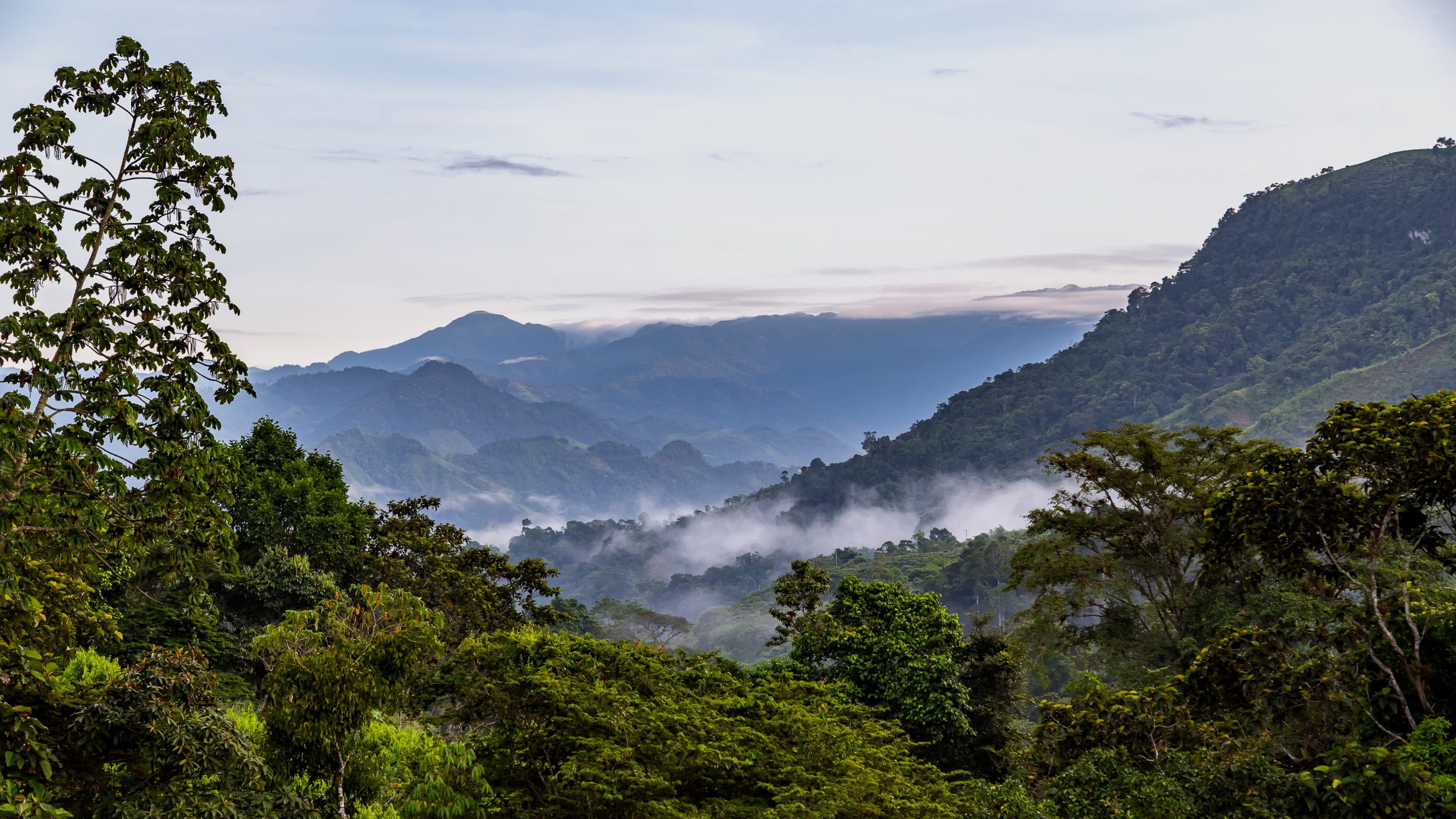
View over a forested valley in the Chocó Andino

Walking and access

Match the route to the group

Trail surface, elevation, rain and distance affect the experience. Share mobility needs and children’s ages before arrival. Ask about footwear, shelter, restrooms, walking duration and the vehicle access expected for the current route.

Mobility discussedWeather ready
Ask practical questions
Regional crop representing a possible host-led learning activity

Exchange

Participate without staging local life

Listen to how hosts describe their own history and priorities. Ask before photographing people, homes or work. Avoid requesting costumes, performances or private access that are not part of the community’s current program.

Consent firstHosts define the story
Review visitor conduct

Compare possible visit formats

These are planning categories, not guaranteed products. The community confirms what it is prepared to host.

FormatPotential focusConfirm before travel
Hosted introductionCommunity history, organization and current prioritiesHost, language, meeting point, duration and group size
Productive activityA current agricultural, food or small-enterprise processWhat is active, participation, safety, purchases and photography
Landscape walkConservation, land use and regional terrainGuide, trail, weather, footwear, difficulty and access
Meal or tastingIngredients, preparation, hospitality and local food knowledgeMenu, allergies, dietary needs, timing, location and payment
Overnight exchangeMore time with hosts and a less rushed community programDirect acceptance, home assignment, meals, privacy, facilities and transport

Source and relationship note

This guide uses Quito Turismo’s Yunguilla destination profile and its reporting on community-led sustainable tourism for general context.

Chocó Andino Tours does not present a Yunguilla visit as confirmed until the community relationship, host, date, program and payment pathway have been accepted. This page is an orientation and inquiry route, not proof of a reservation or unrestricted access.

Request the visit in three steps

Good coordination protects community time and gives visitors a clearer experience.

1. Share the real context

Provide date, group size, ages, language, transport, mobility needs, dietary needs and the main reason for visiting.

2. Let the community define availability

Wait for confirmation of the host, format, schedule, inclusions and limits. Do not arrive based only on a general destination article.

3. Confirm the complete arrangement

Review meeting point, contact, payment, cancellation conditions, weather plan, photography rules and what to bring.

Inquiry does not equal booking

You may send your planning details through the tour request form, but the submission only starts a coordination process. We must verify whether an appropriate community pathway is available before offering or accepting a Yunguilla program.

Yunguilla visit questions

Use these answers before requesting a date.

What is community tourism in Yunguilla?

It is a community-managed approach in which local organization shapes the visit, hosts, activities and distribution of benefits. The experience should follow what the community currently offers rather than an outside operator’s assumptions.

Who is the visit best for?

It suits visitors interested in conservation, rural livelihoods, food, local organization and respectful cultural exchange. It is not designed as a staged performance or an unrestricted visit to private life.

How long should I allow?

A focused day visit may be possible when confirmed locally, while an overnight format can allow more time. Duration, meals, lodging and transport must be arranged for the requested date.

What must be confirmed?

Confirm direct community acceptance, the host and guide, meeting point, activity, duration, meals, lodging if needed, group size, accessibility, transport and payment method.

Start with a respectful availability inquiry

Tell us what you hope to understand and the practical details of your group. We will not describe the visit as available until a legitimate local pathway is confirmed.